-
sales@tujinmagnet.com
-
+86-18858010843

Content
The most important distinction between N35 and N52 Neodymium NdFeB disc magnets is their maximum energy product (BHmax), which directly determines magnetic strength. N52 magnets deliver approximately 48% more magnetic energy than N35 magnets of the same size. For buyers sourcing from a NdFeB disc magnet supplier or neodymium disc magnet manufacturer, understanding this difference is critical for matching the right magnet grade to each application.
The "N" in N35 and N52 stands for Neodymium, and the number refers to the Maximum Energy Product measured in Mega-Gauss-Oersteds (MGOe). N35 has a BHmax of approximately 33-35 MGOe, while N52 magnets achieve 50-52 MGOe. Both are classified as rare earth magnets and belong to the NdFeB (Neodymium Iron Boron) family, but their performance envelopes differ significantly.
For engineers, product designers, and procurement professionals evaluating wholesale NdFeB magnets or custom NdFeB magnets, the grade selection impacts not just pull force but also cost, operating temperature range, and long-term reliability. This article breaks down all the key technical and practical differences.
Neodymium NdFeB disc magnets are graded according to their intrinsic magnetic properties. The grade system used by every neodymium disc magnet manufacturer worldwide follows a standardized scale ranging from N35 at the lower end to N52 (and occasionally N55) at the upper end. Higher grades indicate a denser magnetic domain structure achieved through more refined alloy composition and sintering processes.
The grading system also incorporates thermal stability designations appended as suffixes. A plain "N" grade (e.g., N35, N52) operates up to approximately 80°C. Adding suffixes changes the maximum operating temperature: M grades reach 100°C, H grades 120°C, SH grades 150°C, EH grades 200°C, and AH grades up to 230°C. When sourcing high temp magnets for motor or industrial use, the suffix matters as much as the number.
| Grade | BHmax (MGOe) | Br (kGs) | Hcj (kOe) | Max Temp (N suffix) | Relative Cost |
|---|---|---|---|---|---|
| N35 | 33-35 | 11.7-12.1 | ≥12 | 80°C | Baseline |
| N38 | 36-38 | 12.1-12.5 | ≥12 | 80°C | +8% |
| N42 | 40-43 | 13.0-13.5 | ≥12 | 80°C | +18% |
| N45 | 43-46 | 13.2-13.8 | ≥11 | 80°C | +28% |
| N52 | 50-52 | 14.3-14.8 | ≥11 | 80°C | +45-60% |
When comparing N35 magnets and N52 disc magnets of identical dimensions, the pull force difference is substantial and measurable. For a standard 25mm diameter x 5mm thick NdFeB disc magnet, an N52 grade delivers approximately 11-13 kg pull force, compared to approximately 7-9 kg for the same N35 disc. This represents roughly a 40-50% improvement in holding strength purely from grade selection.
The bar chart above illustrates the pull force advantage of N52 disc magnets over N35 across five common disc sizes. For the smallest disc (D10x3mm), the gap is moderate at around 0.6 kg, but the difference scales dramatically with magnet volume. At D40x10mm, an N52 strong disc magnet produces approximately 33 kg of pull force, while the equivalent N35 generates roughly 22 kg. This 50% strength improvement makes N52 the grade of choice when minimizing magnet size is a priority. For applications such as precision sensor assemblies, high-end audio transducers, or industrial disc magnets in compact clamping systems, choosing N52 can eliminate the need to upsize the magnet entirely. However, the higher BHmax of N52 comes with a slightly lower coercivity (Hcj), meaning it may demagnetize somewhat more easily under opposing magnetic fields or elevated temperatures. Engineers should account for this trade-off in the design stage.
Both N35 and N52 carry the plain "N" thermal suffix, meaning neither is designed for elevated operating temperatures without additional grade modifications. Both grades begin to show irreversible demagnetization above approximately 80°C. However, N52 magnets are particularly sensitive because achieving that high energy density requires a slightly lower coercivity. In practical terms, N52 disc magnets used in environments exceeding 60°C may experience faster magnetic performance degradation than N35 units.
For high temp magnet applications such as motor rotors or downhole sensors, grades like N35H, N35SH, or N38EH are far more appropriate than N52. A custom NdFeB magnet with the right thermal suffix will retain magnetic flux at 150-200°C, whereas N52 without a suffix designation should not be considered. This is a critical selection point for procurement teams working with any NdFeB magnets manufacturer on motor or industrial projects.
The line chart reveals a key thermal insight: while both N35 and N52 magnets start from the same baseline flux at room temperature, N52 loses magnetic flux more rapidly as temperature climbs. At 80°C, N35 retains approximately 93% of its initial flux, whereas N52 retains around 89%. By 120°C, the gap widens considerably, with N35 at roughly 78% and N52 dropping closer to 68% retention. This divergence reflects the lower coercivity inherent to high-energy-density NdFeB alloys. For applications that routinely operate at elevated temperatures, such as industrial disc magnets in motor housings or sensors near heat sources, N35H or N38H grades offer a better balance of strength and thermal stability than plain N52. If maximum strength at room temperature is the only requirement and thermal exposure is minimal, N52 remains the top choice among standard permanent disc magnets.
Coercivity (Hcj) measures a magnet's resistance to demagnetization by external magnetic fields. N35 magnets typically exhibit an Hcj of 12 kOe or above, while N52 magnets usually fall in the 11-12 kOe range. While the difference may appear small on paper, it has meaningful engineering consequences in environments with strong opposing fields or alternating magnetic exposure.
For a custom NdFeB magnet used in speaker systems, sensor switches, or magnetic coupling devices, operating near strong electromagnets or in AC environments could cause partial demagnetization over time if N52 is selected without appropriate circuit design safeguards. In such cases, a mid-range grade like N42 or N45 may offer an optimal trade-off between pull strength, coercivity, and cost, particularly when procuring wholesale NdFeB magnets for high-volume production runs.
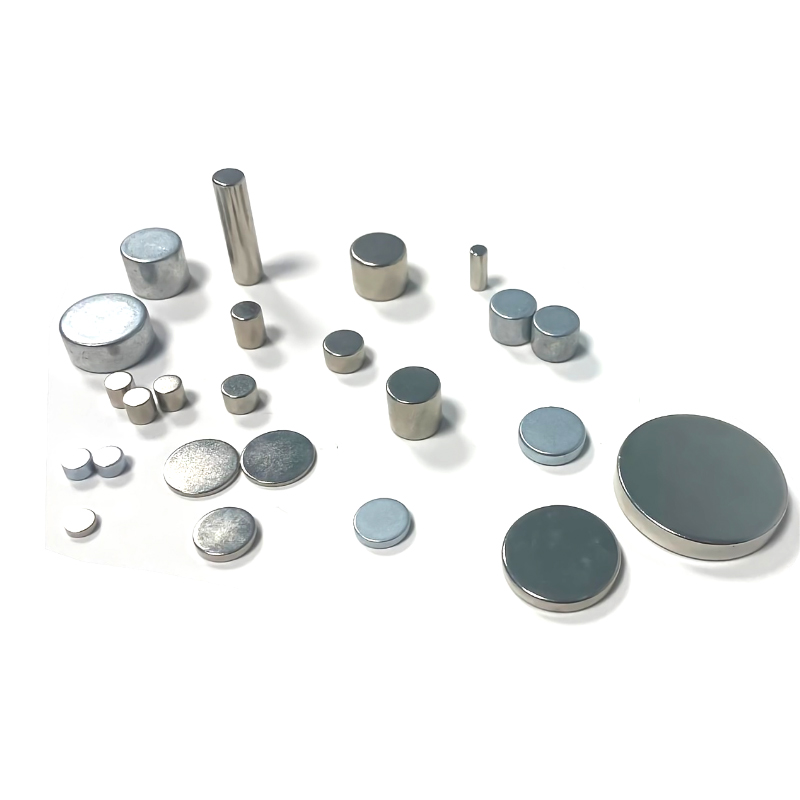
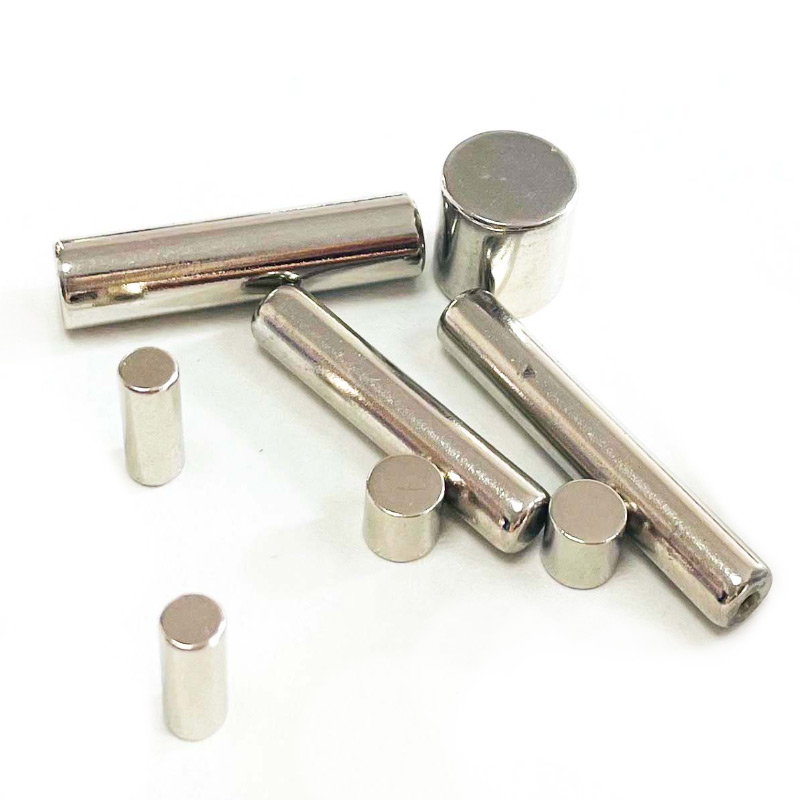
Neodymium NdFeB disc magnets are defined by two primary dimensions: diameter (D) and thickness (T). Both N35 and N52 grades are available across the full range of disc dimensions, from miniature units (D3x1mm) to large industrial discs (D100mm+). However, N52 is more difficult to manufacture in very thin profiles due to the brittleness associated with its high-density alloy composition. A thin disc magnet in N52 below 1mm thickness may be prone to chipping during processing.
For mini disc magnets used in wearable electronics, hearing aids, or micro-sensor assemblies, N52 is popular because it allows the smallest possible magnet footprint while still delivering adequate pull force. Conversely, larger disc magnets used in heavy-duty magnetic clamping or magnetic separation equipment are often specified in N35 or N38 to prioritize thermal stability and cost efficiency over maximum flux density.
Both grades support all standard surface coatings applied by a qualified neodymium disc magnet manufacturer: Ni-Cu-Ni (triple-layer nickel), zinc (Zn), epoxy, gold (Au), and PTFE. The nickel coated magnet finish remains the most common choice for both grades, offering a balance of corrosion resistance, mechanical durability, and smooth surface texture suitable for direct contact applications.
Understanding which grade fits each application is the most practical output of this comparison. The following overview maps common disc magnet applications to the most suitable grade, based on the combined requirements of pull strength, operating temperature, coercivity, and cost efficiency.
The radar chart provides a multi-dimensional view of how N35 and N52 magnets compare across six performance dimensions critical to disc magnet selection. N52 dominates in flux density and pull force, making it the preferred strong disc magnet grade for applications where magnetic performance per unit volume is the overriding requirement. N35, on the other hand, scores significantly higher in temperature stability, cost efficiency, and coercivity, making it the more versatile and economical choice for general-purpose applications. The availability axis reflects the fact that N35 and N38 grades are manufactured by a broader range of facilities worldwide, resulting in shorter lead times and more competitive pricing when sourcing from any NdFeB disc magnet supplier or neodymium disc magnet manufacturer. The radar analysis confirms that neither grade is universally superior; the optimal choice is always application-dependent. For miniaturized electronics and precision instruments requiring the smallest possible NdFeB disc magnet, N52 is generally justified. For larger assemblies, thermal environments, or budget-sensitive projects, N35 and its intermediate variants offer better total value.
| Application | Recommended Grade | Key Reason |
|---|---|---|
| Mini sensors, wearables, earbuds | N52 | Max strength in smallest footprint |
| Speaker drivers, audio transducers | N48-N52 | High flux for audio efficiency |
| Packaging clasps, handbag closures | N35-N42 | Cost efficiency, adequate pull force |
| Motor rotors (room temp) | N42-N45 | Balance of flux and coercivity |
| Motor rotors (high temp) | N35H / N38SH | Thermal stability up to 150-200C |
| DIY, education, experiments | N35-N38 | Low cost, easy handling |
| Magnetic separation equipment | N35-N42 | Durability and volume economics |
| Medical micro-devices, implants | N48-N52 | Compact, high precision field |
Achieving an N52 grade requires tighter control of alloy composition, longer sintering cycles, and higher rejection rates during quality inspection, all of which contribute to a premium over standard N35 pricing. In general, N52 disc magnets cost approximately 40-60% more per unit than equivalent N35 discs of the same dimensions. For high-volume industrial procurement through a wholesale NdFeB magnets supplier, this premium compounds rapidly.
A useful cost-optimization strategy is to evaluate whether an N52 disc magnet can be replaced with a slightly larger N42 disc at lower total cost. In many cases, a D22x5mm N42 disc closely matches the pull force of a D20x5mm N52 disc while significantly reducing unit cost. This dimensional substitution approach is commonly employed when designing efficient magnetic systems without overpaying for unnecessary grade specifications. Buyers sourcing custom disc magnets in bulk should discuss this optimization with their neodymium disc magnet manufacturer during the design review phase.
The column chart quantifies the relative cost escalation across common NdFeB disc magnet grades, indexed to N35 at 100. Moving from N35 to N42 adds approximately 18% to the unit cost, a modest increase for a significant improvement in flux density. N48 sits at roughly 135 on the index, while N52 disc magnets for sale typically carry a cost index of approximately 155 or higher depending on dimensions and surface finish. These cost differences reflect both the material complexity and the lower manufacturing yields associated with high-grade NdFeB sintering. For procurement teams evaluating custom NdFeB magnets at scale, the cost-per-unit-of-flux analysis often favors N42 or N45 as the most efficient grades. N52 should be specified selectively, reserved for applications where the dimensional constraint is truly non-negotiable and no geometric substitution is possible. Working closely with an experienced NdFeB disc magnet supplier during the design phase can identify these opportunities before tooling and production commitments are finalized.
Raw NdFeB material is highly susceptible to oxidation and corrosion. All neodymium NdFeB disc magnets, regardless of grade, require a protective surface coating before deployment in any real-world application. The coating choice affects the magnet's dimensional tolerance, surface hardness, operating temperature ceiling, and chemical resistance.
Ningbo Tujin Magnetic Industry Co., Ltd specializes in the manufacturing and sales of high-performance NdFeB magnets. With years of expertise in magnetic materials, we excel in providing high-temperature-resistant motor magnets and customized magnetic solutions with superior precision and stability. Renowned for our exceptional product quality, fast lead times, and high flexibility, we have become a trusted long-term partner for leading companies across multiple industries.
High-Temperature Motor Magnets: Designed to meet the demanding thermal stability requirements of motor applications, our NdFeB magnets maintain excellent magnetic performance in extreme temperatures (-40°C to 200°C or higher), making them ideal for new energy vehicles (EV traction motors, hub motors, hybrid vehicle motors), industrial automation (servo motors, PMSM, BLDC motors, robotic joint motors), home appliances and consumer electronics (AC compressor motors, washing machine motors, energy-efficient fans), medical and precision devices (dental implant motors, medical instrument micro-motors), and energy and heavy machinery (solar pump motors, turbines, elevator traction machines).
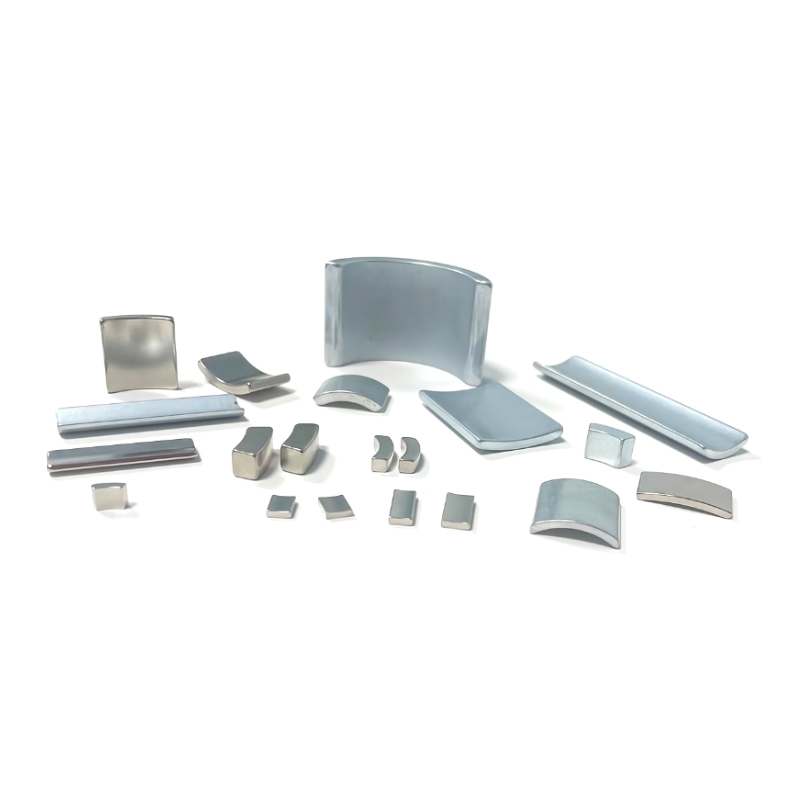
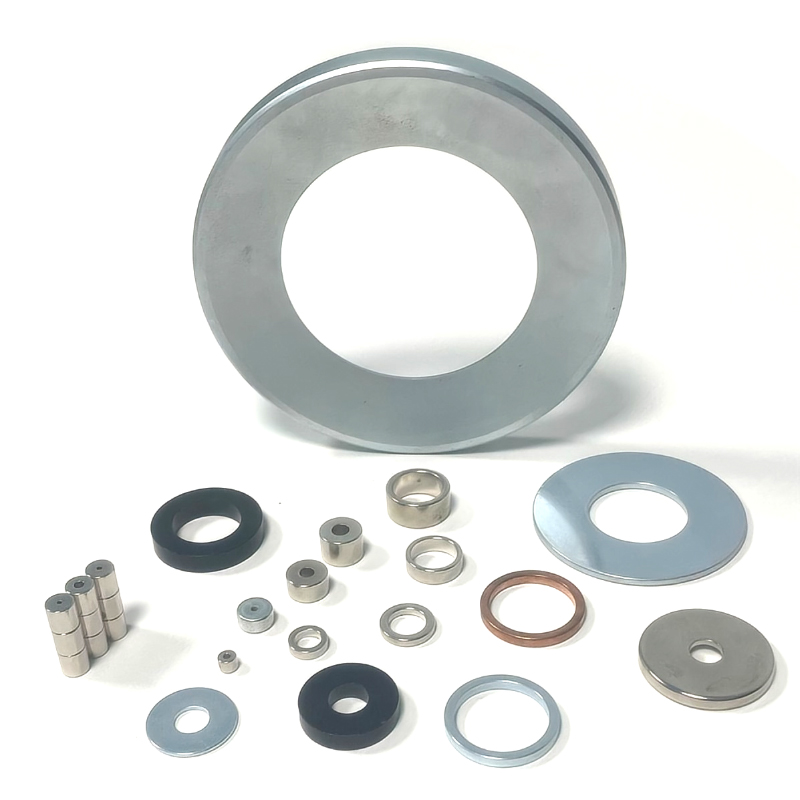
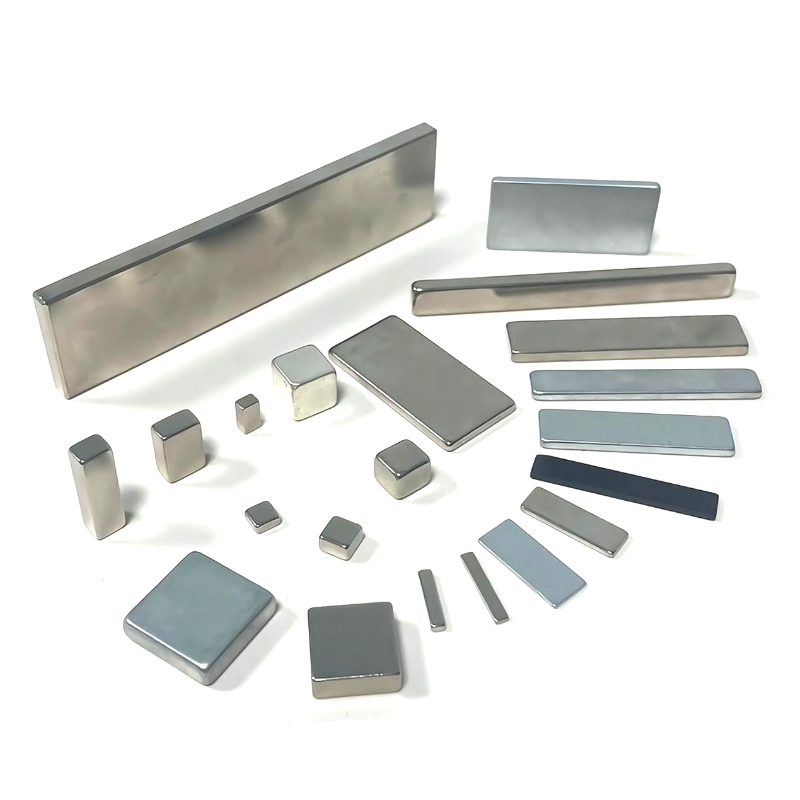
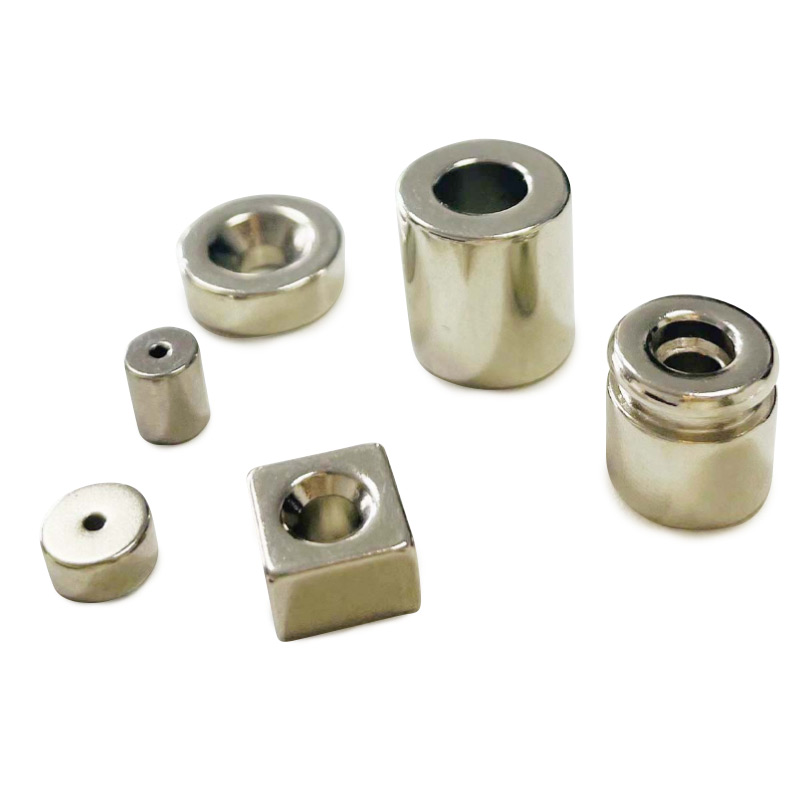
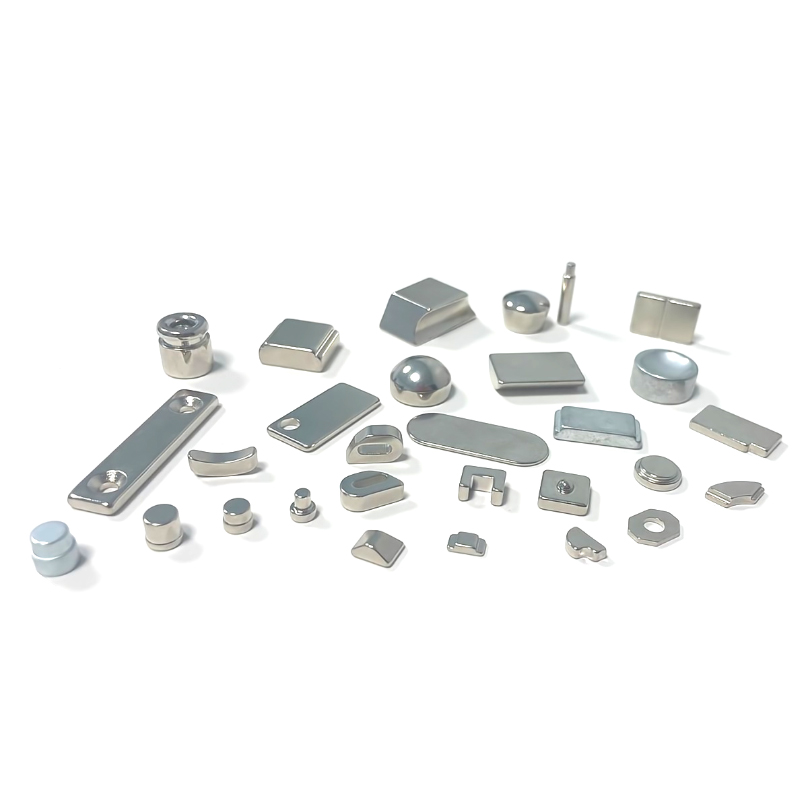
Custom Shapes for Diverse Applications: We support complex and precision-shaped magnet designs, including disc, block, arc (segment), ring (multi-pole magnetized), rod, and more. Our advanced coatings (Ni-Cu-Ni, epoxy, etc.) enhance oxidation resistance and lifespan. Streamlined processes from design to mass production ensure shorter lead times. Beyond motors, our magnets are widely used in speakers (audio magnets), sensors, and wind power applications.
At Tujin Magnetic Industry, we are more than a manufacturer and supplier - we are your innovation partner. Whether for standard or custom NdFeB magnets, we deliver professionalism, efficiency, and reliability to empower your products with superior magnetic performance.
No.107 Yunshan Industry Park, Sanqishi Town, Yuyao, Ningbo, Zhejiang 315412, China
+86-18858010843
sales@tujinmagnet.com
Copyright ? Ningbo Tujin Magnetic Industry Co., Ltd. All Rights Reserved. Custom Rare Earth Magnets Factory