-

sales@tujinmagnet.com
-

+86-18858010843
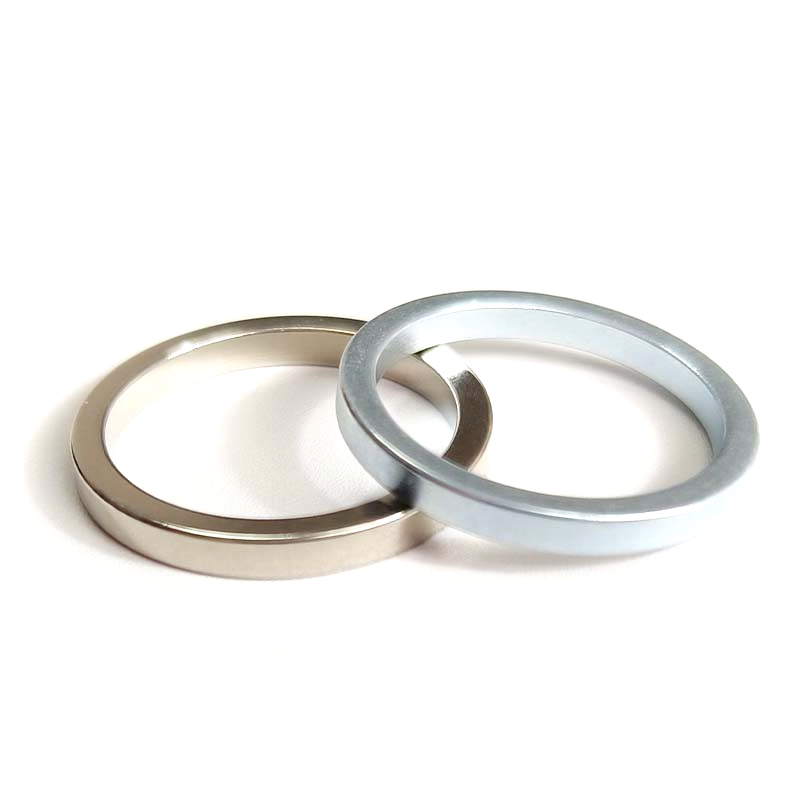
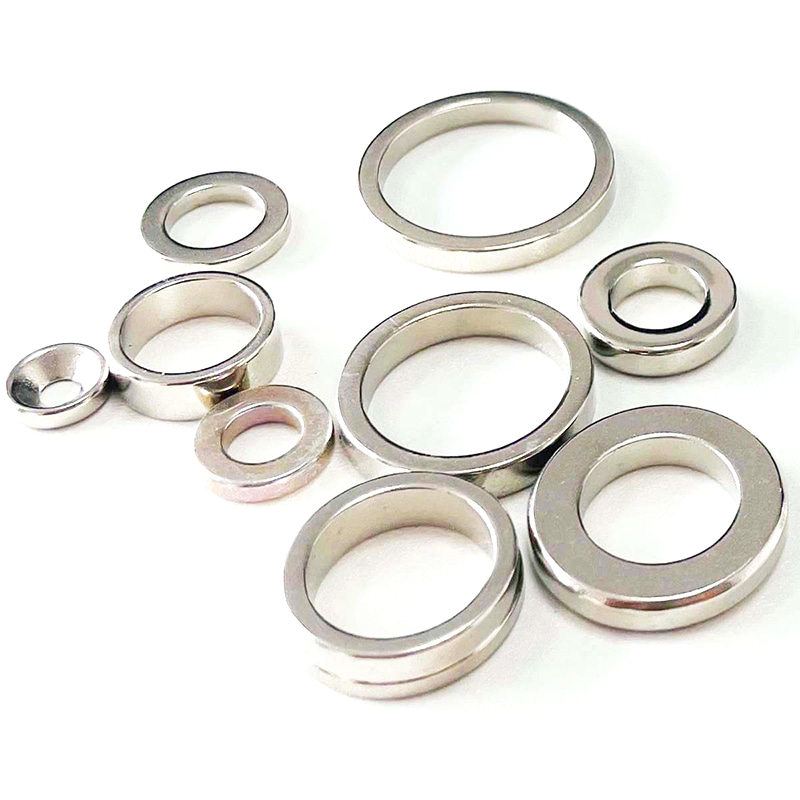
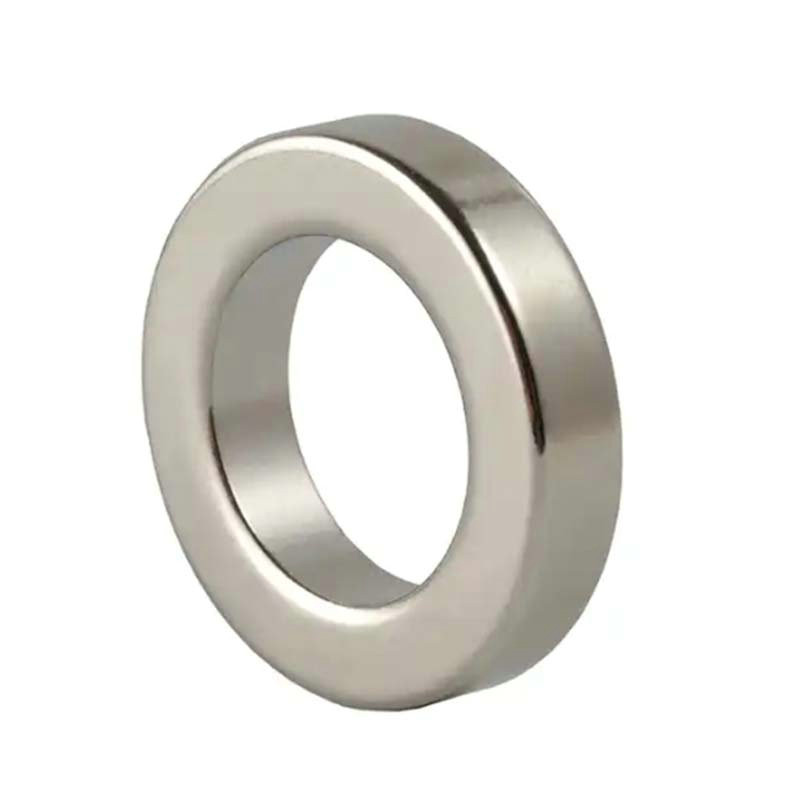
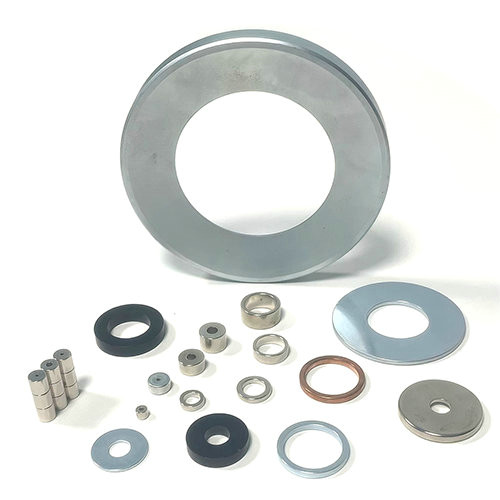
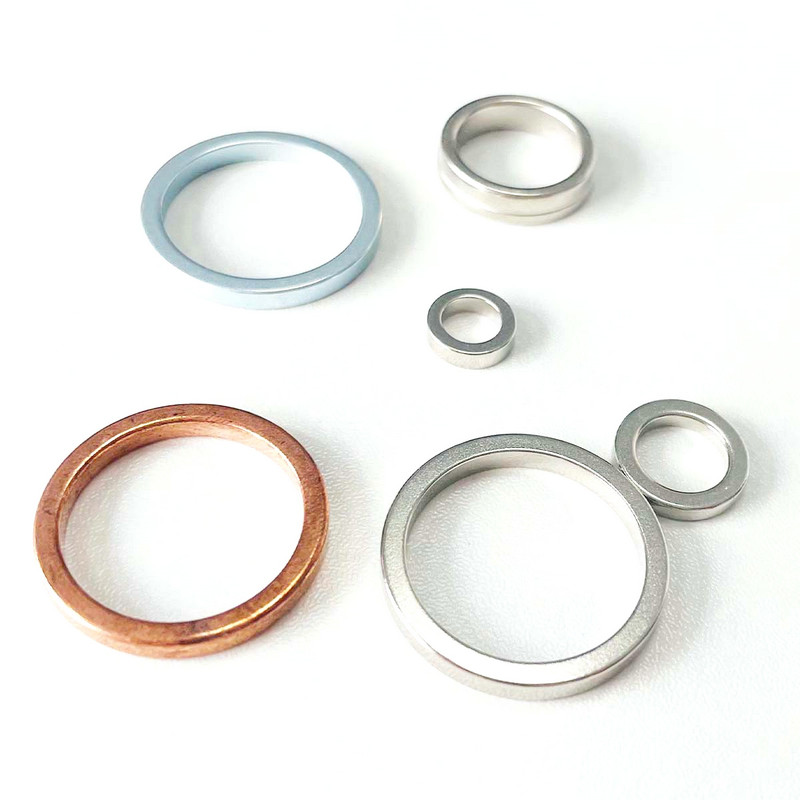
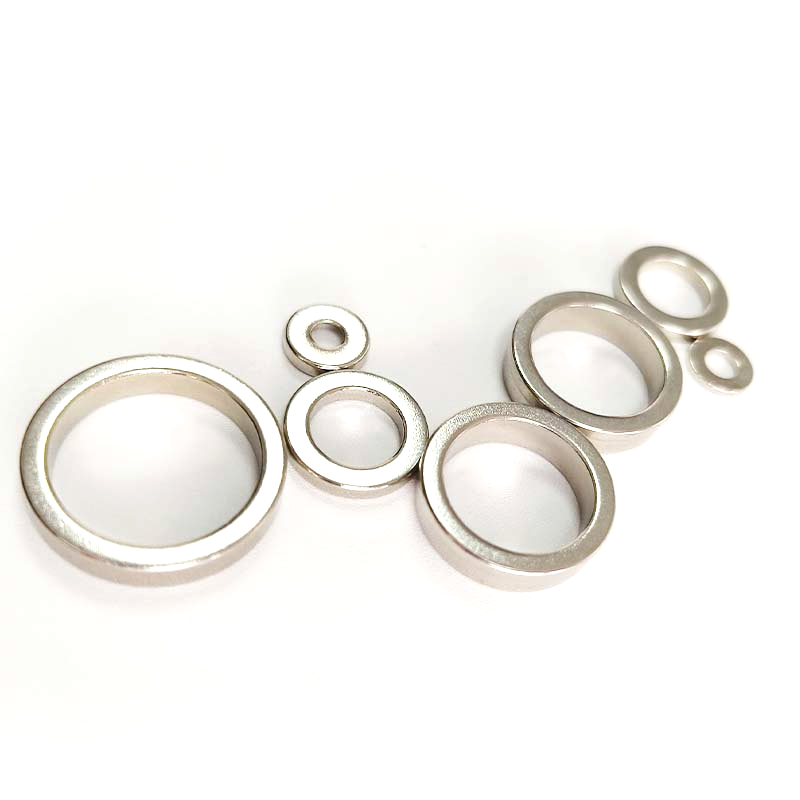
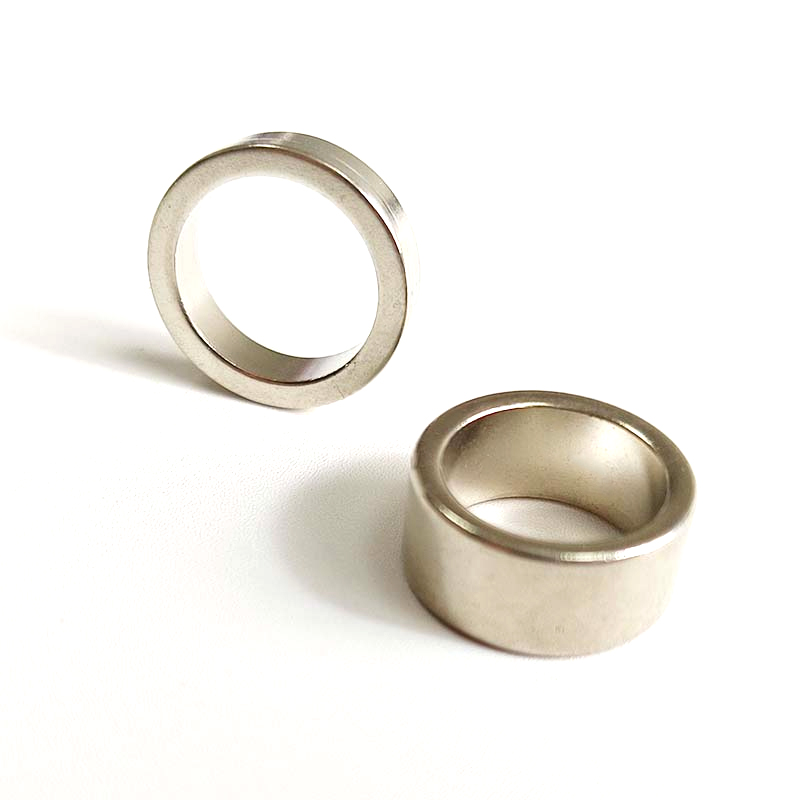
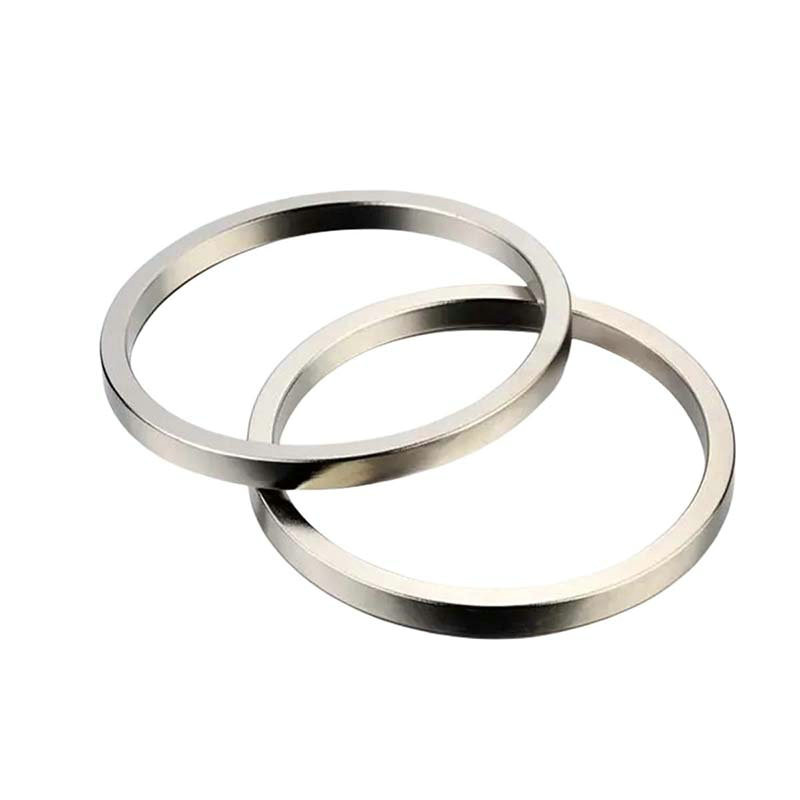
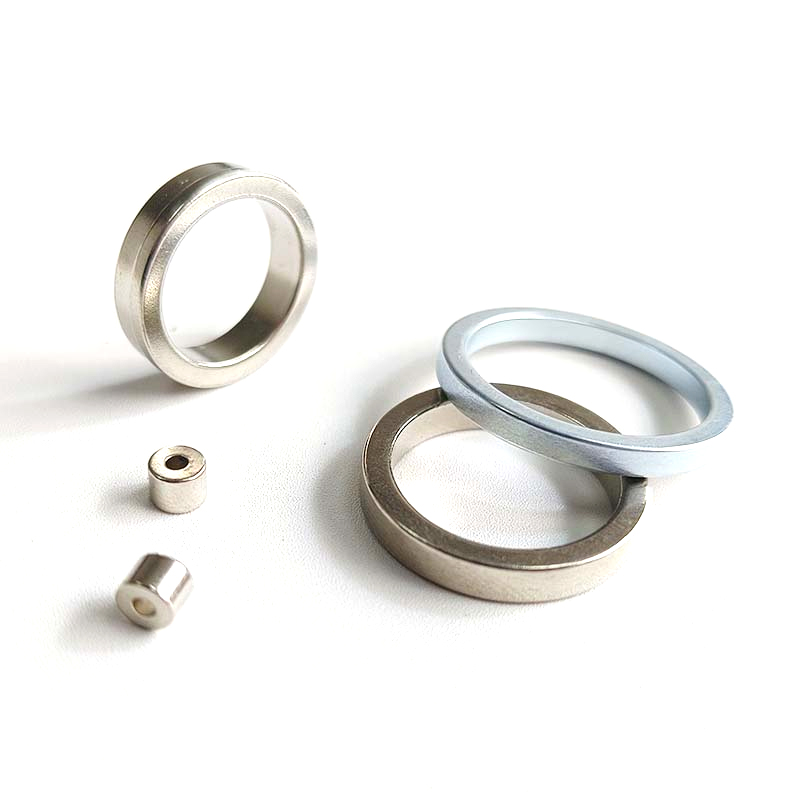
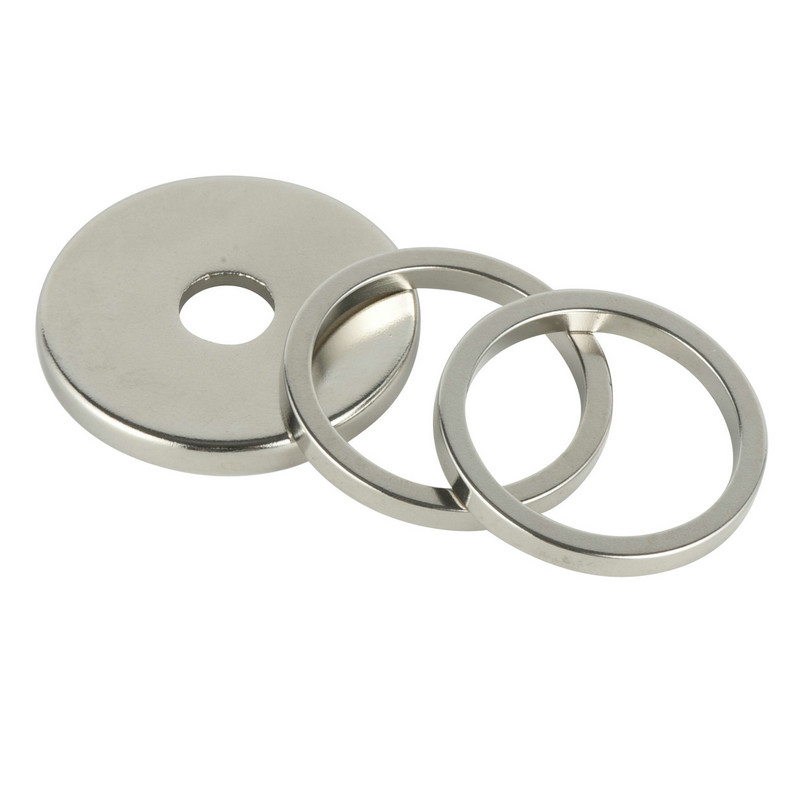
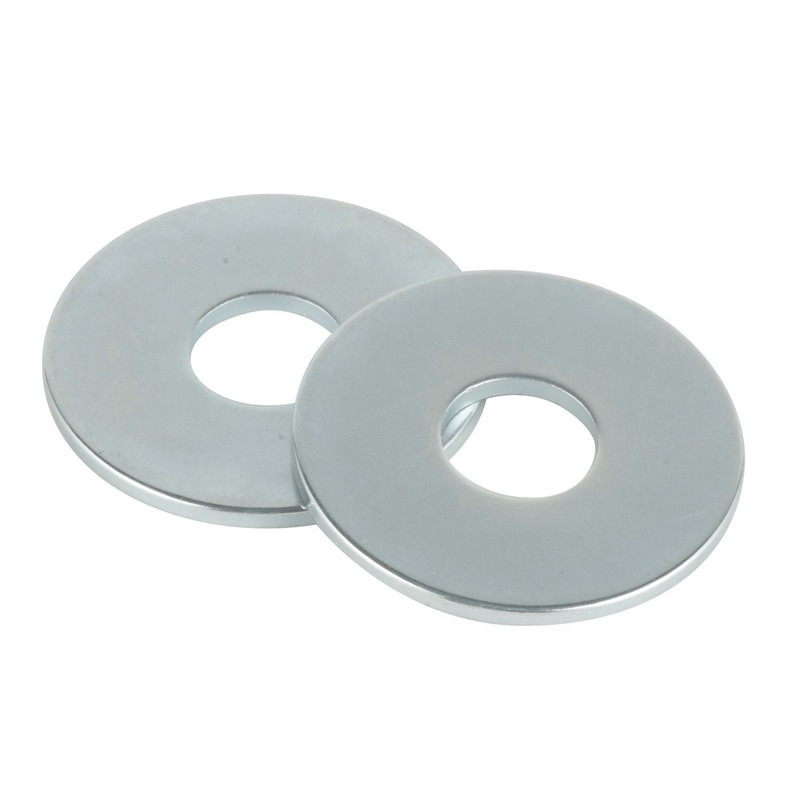
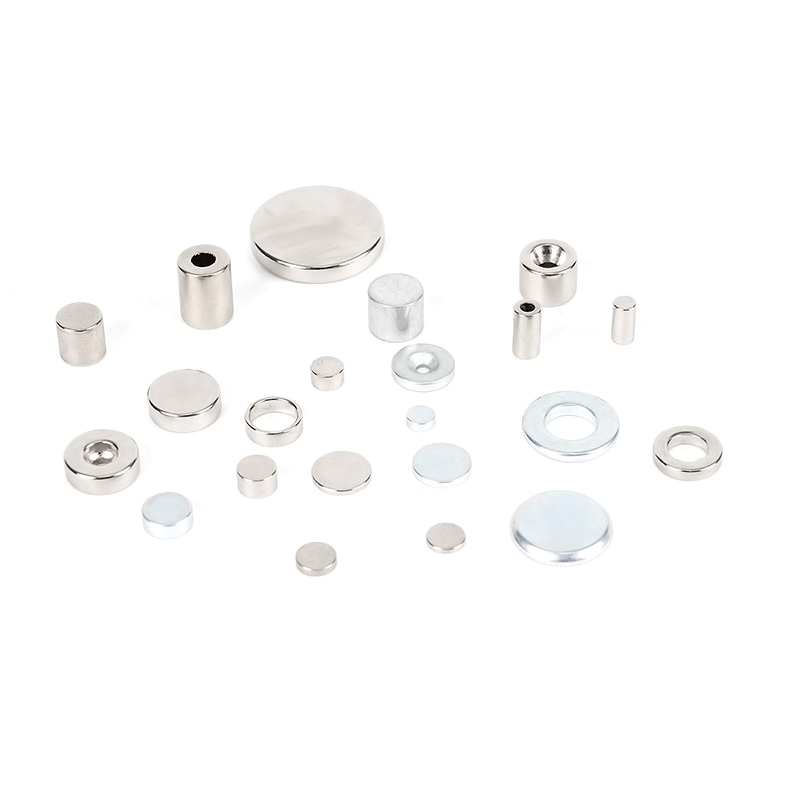
Neodymium ring magnets are similar to disc magnets. It has a circular shape and a hollow center and looks like a ring. However, the hollow center of these magnets opens them up to an enormous range of possibilities and different applications.
NdFeB ring magnets have a wide range of uses, and are commonly used in applications such as speakers, sensors, motors, and other automotive and tech-based applications. Ring magnets can also be used in science experiments to demonstrate magnetic repulsion, as the same poles of the magnets' faces won't touch.
Neodymium cylinder magnets are exceptionally strong because they are made from a neodymium-iron-boron (NdFeB) alloy — the most po...
READ MOREThe principal advantages of neodymium magnet rings are exceptional magnetic strength relative to size, a through-hole geometry th...
READ MORENeodymium Magnet Cylinders, also known as Neodymium Iron Boron (NdFeB) magnet cylinders, are a type of permanent magnet material t...
READ MOREWith the increasing demand for energy efficiency and precision in electrical engineering, the Neodymium Magnet Arc, also known as ...
READ MORERing magnets, with their compact circular design, are high-performance magnets of choice for engineers in a variety of demanding applications due to their strength and precision.
Ring magnets have a wide range of applications due to their unique shape and superior performance, spanning multiple fields from consumer electronics to high-tech industries:
Neodymium iron boron ring magnets are the core component of speakers; the strong magnetic field they provide is fundamental to sound conversion.
Ring magnets are commonly used in various sensors to detect position, speed, or direction, and are key to achieving precise control.
In motors, ring magnets provide the necessary magnetic field to drive rotor motion, and are widely used in automotive and technology products.
In other automotive and technology products, they are used to perform specific magnetic operations or as magnetic fixing devices.
Ring magnets can be used to demonstrate magnetic repulsion, for example, by observing that like poles of a magnet do not touch, illustrating the principles of magnetism.
As components of magnetic connectors, filters, or other magnetic tools, they are used to maximize magnetic force or for precise alignment.
Both NdFeB and Samarium Cobalt ring magnets are high-performance ring magnets. Their main difference lies in the material properties used, which determine their best suited applications:
| Characteristics | Neodymium iron boron (NdFeB) ring magnets | Samarium Cobalt Ring Magnets (SmCo Ring Magnets) |
| Magnetic Strength | Provide maximum magnetic force in confined spaces; extremely high magnetic strength. | They possess excellent magnetic strength, slightly lower than neodymium iron boron (NdFeB) magnets, but offer stable performance. |
| Temperature | Relatively low magnetic strength, but widely used in room temperature applications. | They perform exceptionally well in high-temperature environments and can withstand higher operating temperatures. |
| Corrosion Resistance | Susceptible to corrosion, typically requiring a surface coating for protection. | They exhibit excellent corrosion resistance, performing even better in humid or chemical environments. |
| Typical Applications | A wide range of applications including loudspeakers, common sensors, and most motors. | They are suitable for applications requiring high temperature and corrosion resistance, such as aerospace, medical equipment, and high-temperature motors. |
NdFeB ring magnets prioritize maximum magnetic force and cost-effectiveness, while Samarium Cobalt ring magnets, with their superior corrosion resistance and excellent performance at high temperatures, are ideal for harsher environments.
Ring magnets play a crucial role in two core application areas: motors and sensors, serving as key components for stable performance and precise operation:
Ring magnets, especially neodymium iron boron ring magnets, are used as part of the stator or rotor in motors to generate a strong, persistent magnetic field.
This magnetic field interacts with the current in the coils, generating a torque that drives the rotor to rotate, thus achieving an efficient conversion of mechanical energy into electrical energy.
The circular design of ring magnets makes them easy to mount around the shaft of rotating machinery, providing precise alignment performance and ensuring the motor's durability and operational efficiency.
Ring magnets are typically fixed to a moving component (e.g., a rotating shaft). As this component moves, changes in the magnetic field are captured by nearby Hall effect or other magnetic sensor elements.
Ring magnets act as a stable magnetic signal source. By detecting the strength, direction, or rate at which magnetic poles pass, sensors can accurately calculate the position, velocity, or angle of an object.
In automotive and technological products requiring precision, ring magnets ensure that sensors provide accurate and reliable feedback signals, which is crucial for the stable operation of modern control systems.

Having a blueprint in mind, working hard and forging ahead
 No.107 Yunshan Industry Park, Sanqishi Town, Yuyao, Ningbo, Zhejiang 315412, China
 +86-18858010843
 sales@tujinmagnet.com
Copyright ? Ningbo Tujin Magnetic Industry Co., Ltd. All Rights Reserved. Custom Motors Magnet Factory

 English
 русский
 Español