-

sales@tujinmagnet.com
-

+86-18858010843
Content
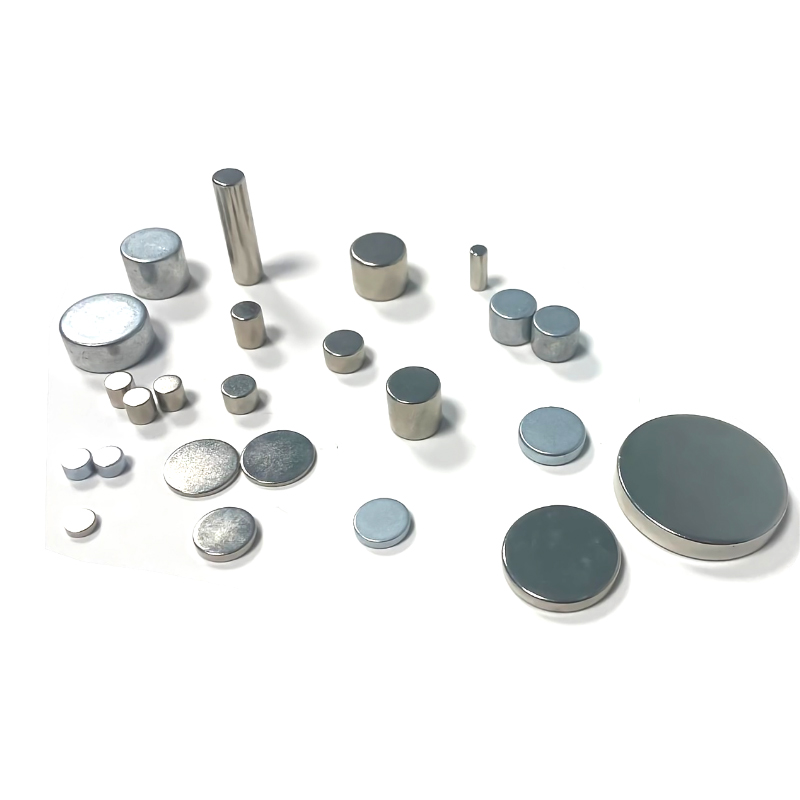
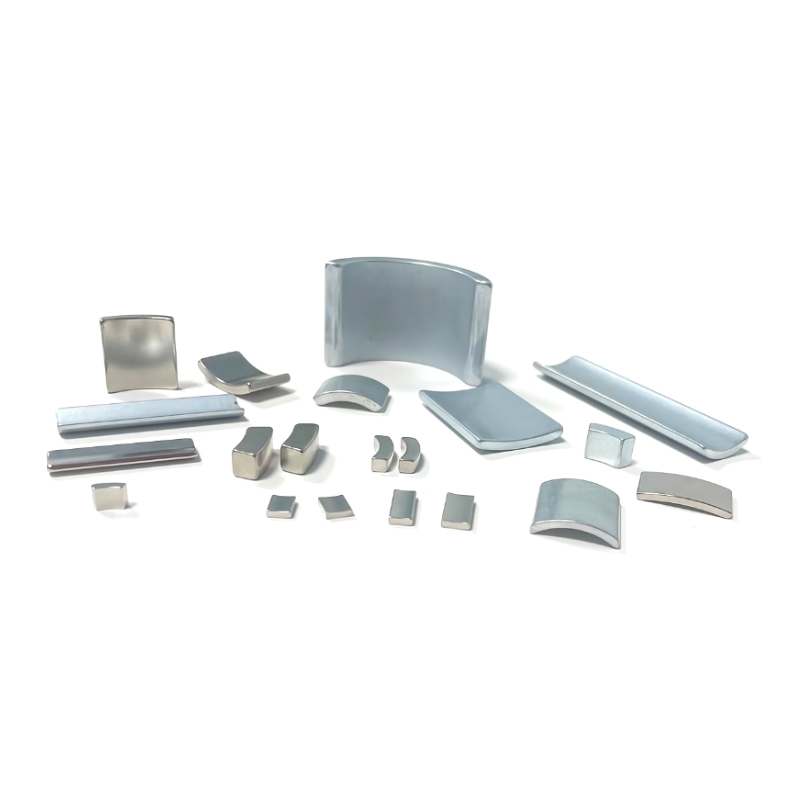
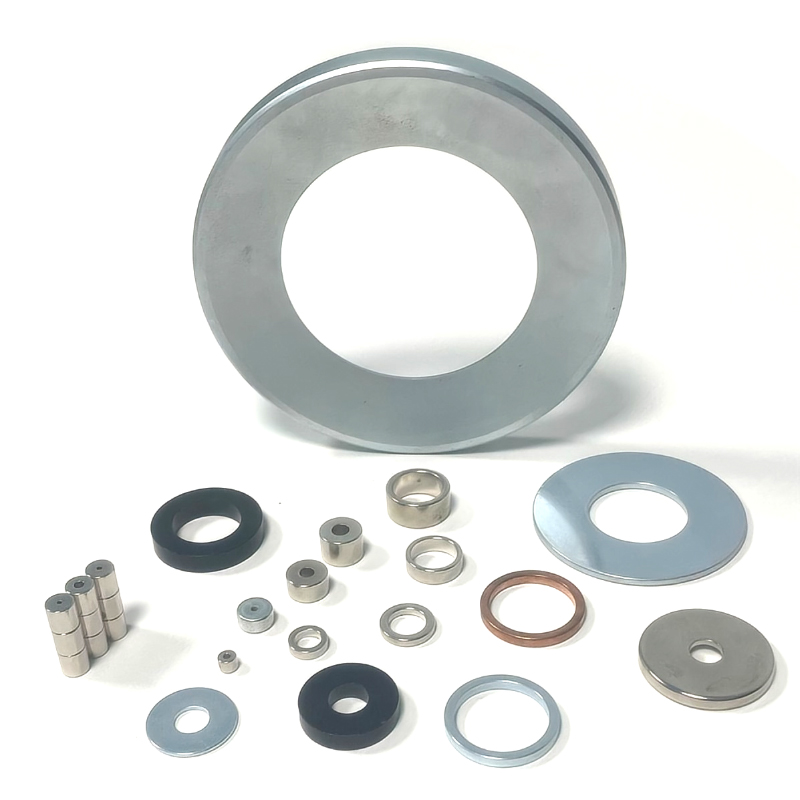
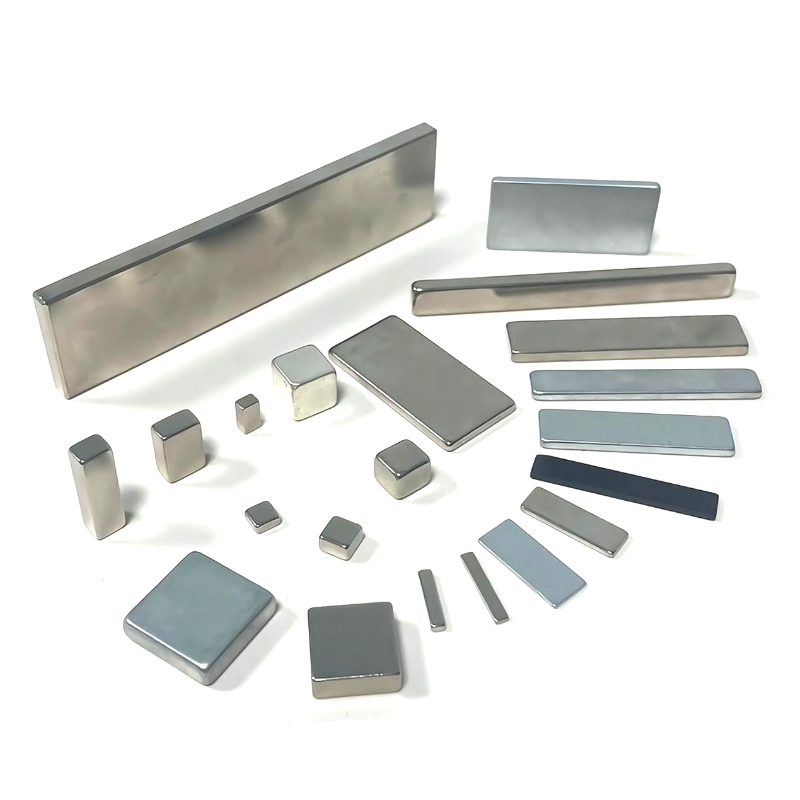
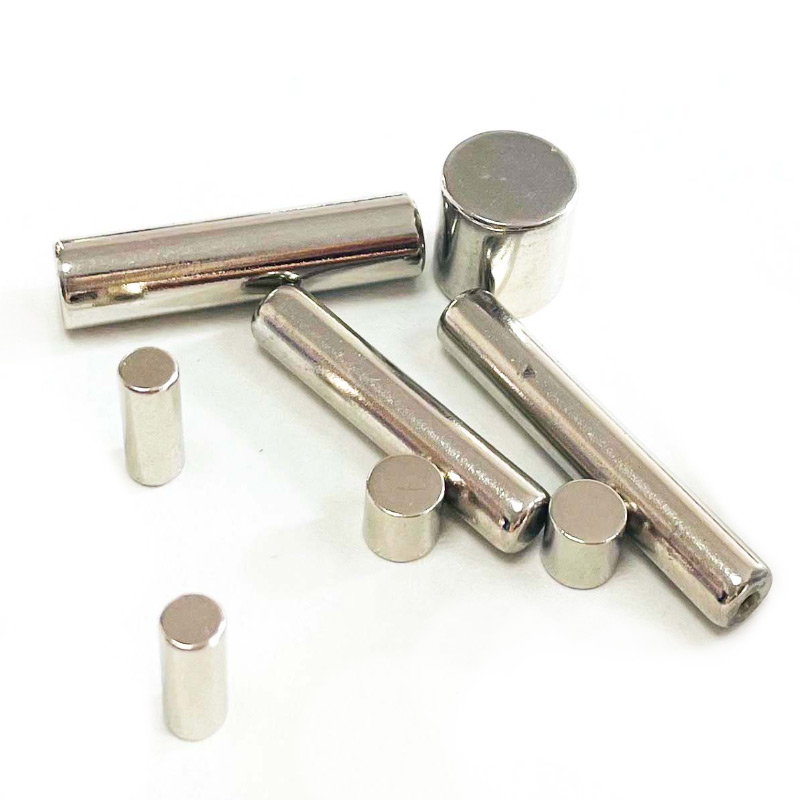
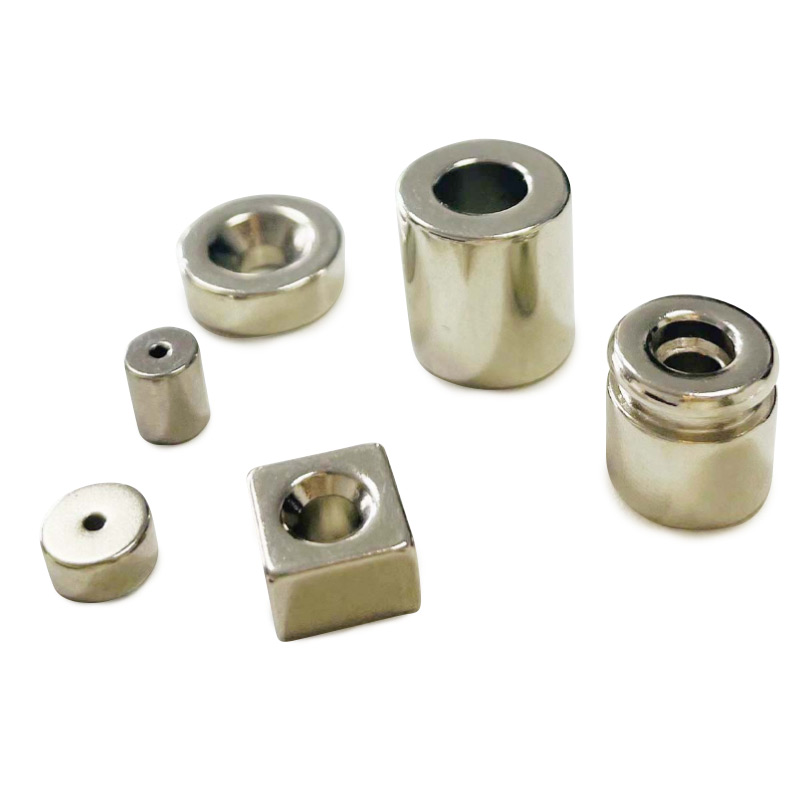
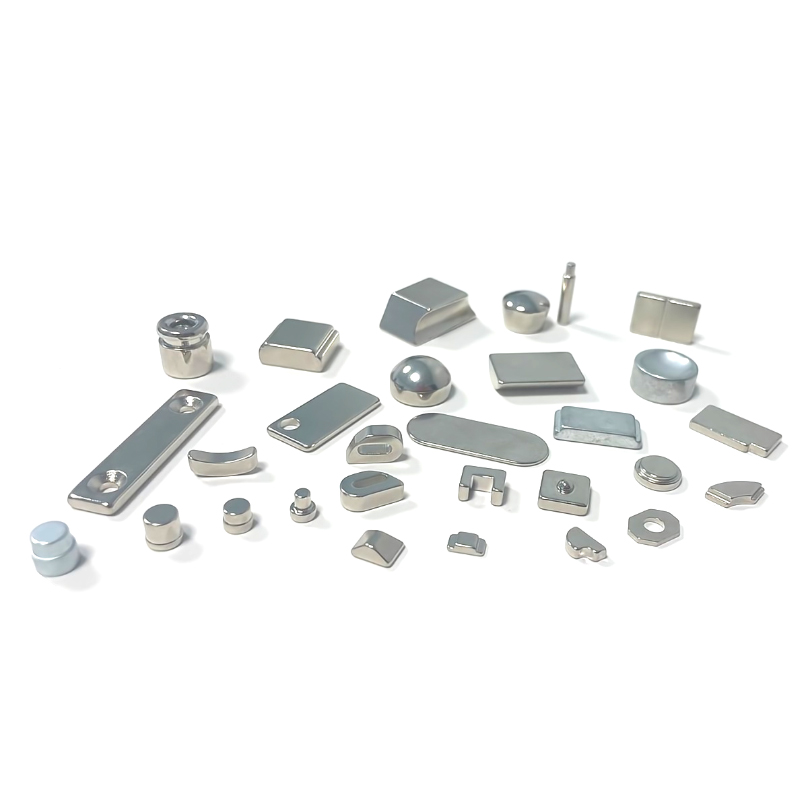
Irregular shaped NdFeB magnets — also known as custom shape magnets, non-standard magnets, or complex geometry neodymium magnets — are permanent magnets manufactured in forms that deviate from standard discs, blocks, or cylinders. These include trapezoidal, arc-segment, L-shaped, stepped, countersunk, and other freeform geometries driven by specific application requirements in motors, robotics, sensors, and precision devices.
The challenge with machining these custom neodymium magnets lies in the fundamental material properties of sintered NdFeB: it is extremely hard (Vickers hardness ~570–650 HV), brittle, and anisotropic. Unlike steel or aluminum, it cannot absorb machining stress through plastic deformation — instead, stress concentrates at corners, edges, and thin sections, causing chipping, micro-cracks, and in severe cases, catastrophic fracture. Understanding these failure mechanisms is the first step to preventing them.
As a professional neodymium magnets manufacturer and custom NdFeB magnets supplier, Ningbo Tujin Magnetic Industry Co., Ltd has developed proven processes for producing complex geometry neodymium magnets with tight tolerances and minimal loss rate. This article shares the core technical strategies.
Before choosing a machining strategy, engineers and buyers working with a rare earth magnets manufacturer must understand why sintered NdFeB cracks. The four primary root causes are:
Figure 1: Percentage frequency of crack root causes reported in NdFeB machining process audits (based on industry manufacturing data aggregated from multiple custom NdFeB magnet factories).
The data above reveals that thermal shock accounts for cracking in approximately 72% of irregular shaped magnet machining failures — far outweighing other factors. This aligns with the physical reality that NdFeB's low thermal conductivity makes heat buildup almost unavoidable without a proactive cooling strategy. Brittleness is the second most cited cause (65%), reflecting how NdFeB's ceramic-like behavior means any stress exceedance results in immediate fracture rather than deformation. The remaining three causes — anisotropic grain cleavage, magnetic swarf re-adhesion, and excessive clamping — contribute significantly at 48%, 38%, and 31% respectively. A robust machining protocol for special shape magnets must address all five simultaneously, since they can compound one another: for example, swarf re-adhesion generates secondary heat at the cutting interface, amplifying thermal stress at an already vulnerable edge.
Experienced NdFeB magnets manufacturers follow a structured machining sequence that treats each stage as a crack-risk control point. The process typically includes sintered blank preparation, rough shaping, semi-finish grinding, profile grinding or wire EDM for complex features, edge chamfering, and final inspection. Each stage requires specific parameter controls.
Before any cutting begins, the sintered NdFeB blank must be inspected for internal porosity, crack seeds, and density uniformity using ultrasonic testing or X-ray diffraction. Blanks with pre-existing micro-defects will crack at a disproportionately high rate during subsequent machining, regardless of how carefully cutting parameters are controlled. Leading rare earth magnets factories reject approximately 2–5% of sintered blanks at this stage, which is far more economical than scrapping fully machined parts.
Diamond wheel grinding is the industry-standard primary method for custom cut neodymium magnets. Key parameters that prevent cracking:
For highly irregular geometries — internal radii, thin bridges, stepped profiles, and asymmetric cutouts — Wire Electrical Discharge Machining (Wire EDM) is the preferred method for custom neodymium magnets because it applies no mechanical cutting force. The material is removed by controlled electrical sparks, entirely eliminating the contact stress that causes brittle fracture. Wire EDM achieves tolerances of ±0.01–0.02 mm on NdFeB, making it suitable for complex geometry neodymium magnets used in precision servo motors and medical devices.
The trade-off is that EDM leaves a thin recast layer (0.005–0.02 mm) with altered magnetic properties and micro-porosity. For critical applications, this layer must be removed by a final light grinding pass (≤0.01 mm depth). Additionally, because NdFeB is electrically conductive (resistivity ~150 μΩ·cm), EDM works effectively — unlike non-conductive ceramics that cannot be spark-machined.
Sharp corners and right-angle re-entrant features are stress concentrators. All external corners on irregular shaped NdFeB magnets should receive a minimum 0.2–0.5 mm chamfer or radius. This is not merely cosmetic — it redistributes stress during both machining and service loading. For internal corners (e.g., L-shaped profiles or keyway slots), a minimum internal radius of 0.3 mm should be maintained to prevent crack nucleation. Barrel tumbling or vibratory finishing can apply uniform chamfers across high-volume production batches of non-standard size magnets.
Figure 2: Standard 6-stage machining process flow for irregular shaped NdFeB magnets at a professional custom neodymium magnets factory.
The six-stage process flow above represents the minimum recommended sequence for irregular permanent magnets requiring tight tolerances (±0.02–0.05 mm). Skipping stages — for example, bypassing semi-finish grinding and going directly from rough grinding to profile EDM — significantly increases surface stress variation, which in turn raises the probability of cracking during the high-stress final stages. The final inspection stage is equally critical: dimensional verification using CMM (coordinate measuring machine) combined with surface crack detection via fluorescent penetrant testing ensures that only conforming parts proceed to the coating process. This multi-stage discipline is what differentiates a professional NdFeB magnets factory from lower-tier suppliers.
One of the most common questions buyers ask when sourcing from a neodymium magnets supplier is: how tight can tolerances realistically be on complex shapes? The answer varies significantly by geometry type and machining method. The table below summarizes achievable tolerances for standard and irregular geometries across common machining processes used by experienced rare earth magnets manufacturers.
| Geometry Type | Machining Method | Dimensional Tolerance | Surface Finish Ra | Crack Risk |
|---|---|---|---|---|
| Block / Disc | Surface Grinding | ±0.02–0.05 mm | 0.4–0.8 μm | Low |
| Arc Segment (motor magnet) | Profile Grinding | ±0.03–0.08 mm | 0.6–1.2 μm | Medium |
| Trapezoidal / L-shape | Diamond Grinding + Wire EDM | ±0.02–0.04 mm | 0.8–1.6 μm | Medium |
| Complex Freeform / Stepped | Multi-axis CNC + Wire EDM | ±0.03–0.06 mm | 1.0–2.0 μm | High |
| Thin-Wall Ring / Tube | Inner/Outer Grinding | ±0.02–0.05 mm | 0.4–1.0 μm | High |
| Countersunk / Hole Features | Diamond Core Drilling | ±0.05–0.10 mm | 1.6–3.2 μm | Very High |
The table illustrates a clear relationship: geometric complexity and feature depth correlate directly with crack risk and tolerance difficulty. Countersunk holes and thin-wall rings represent the most challenging cases because they require removing material from geometrically constrained zones where coolant access is limited and clamping stress is difficult to distribute. A qualified customized NdFeB magnet shape supplier will always review the drawing before quoting, identifying features with elevated crack risk and proposing design-for-manufacturability (DFM) modifications where necessary.
Among all variables in machining odd shaped rare earth magnets, fixture design is the most frequently underestimated. Because sintered NdFeB has zero ductility, any bending moment introduced by an improperly designed fixture translates directly into crack-initiating stress. A part that would machine flawlessly with correct fixturing can crack consistently with a suboptimal one.
Figure 3: Radar comparison of diamond grinding vs wire EDM across five key machining quality dimensions for custom shaped NdFeB magnets.
The radar chart clearly quantifies the trade-off between the two principal machining methods. Diamond grinding excels in throughput speed (90%) and cost efficiency (85%), making it the preferred workhorse method for medium-complexity geometries and higher production volumes. Wire EDM, by contrast, delivers significantly superior precision (95%) and crack safety (95%) — essentially eliminating mechanical contact stress — but at substantially lower throughput speed (45%) and cost efficiency (50%). For most professional custom neodymium magnets manufacturers, the practical answer is a hybrid approach: use diamond grinding for primary material removal and outer surfaces, then transition to wire EDM selectively for critical features with high crack risk, such as thin bridges, sharp re-entrant corners, and internal profiles. This balanced approach optimizes both quality and production economics for special shaped magnetic material components.
After machining, irregular shaped NdFeB magnets must receive a protective surface coating. NdFeB is highly susceptible to oxidation — freshly machined surfaces begin to corrode within hours in humid environments. For standard geometries, coating is straightforward. For irregular shapes, coating adhesion and uniformity on complex profiles becomes a significant engineering challenge that directly impacts product longevity.
Figure 4: Salt spray test hours to first corrosion for common NdFeB coating types, measured on complex-geometry irregular shaped magnets.
The horizontal bar chart demonstrates a clear performance hierarchy among coating types. Parylene C conformal coating delivers the highest corrosion resistance at 1,800+ salt spray hours, making it the coating of choice for medical, aerospace, and harsh-environment applications. Its chemical vapor deposition process achieves truly uniform coverage on all surfaces of complex geometries — including interior cavities, re-entrant angles, and countersunk features — with a pinhole-free film at 10–25 μm thickness. Epoxy coatings (1,100h) offer an excellent balance of corrosion resistance, adhesion on irregular profiles, and processing economy for motor magnet applications. Standard Ni-Cu-Ni electroplating, while widely used on block and disc magnets, provides lower protection (480h) on complex shapes because the electrodeposition preferentially builds up material at protruding corners while creating thinning at re-entrant zones — a fundamental limitation of all electrochemical processes. Qualified NdFeB magnets suppliers will recommend the coating grade based on the specific geometry complexity and target operating environment of the application.
Custom shape magnets and irregular permanent magnets are not niche products — they are essential enabling components across a wide range of demanding industries. The non-standard geometries are driven by the specific magnetic circuit designs of each application.
Figure 5: Growth index for custom NdFeB magnet demand across three key application sectors (2020–2025, indexed to 2020 baseline = 100).
The line chart reveals the dynamic growth trajectories across the three primary application sectors for custom shape magnets. EV motor applications have seen the steepest demand surge, growing to approximately 285 index points by 2025 as global EV production scales rapidly and motor designs increasingly require application-specific arc-segment and trapezoidal magnet geometries rather than off-the-shelf blocks. Robotics applications (240 index) reflect the proliferation of collaborative robots and servo-driven automation, both of which demand compact, high-performance irregular shaped rare earth magnets in joint actuators. Medical device applications, while growing at a more moderate pace (175 index), represent a high-value segment requiring exceptional dimensional precision and biocompatible coatings on non-standard magnet geometries. Across all three sectors, the consistent driver is the shift from standard catalog magnets to fully engineered custom NdFeB magnets tailored to specific motor or device architectures — a trend that is expected to accelerate through 2030 as applications become more specialized.
| Application | Typical Custom Shape | Key Tolerance Requirement | Preferred Coating |
|---|---|---|---|
| EV Traction Motor | Arc segment (multi-pole) | Arc radius ±0.03 mm | Epoxy or Ni-Cu-Ni |
| Robot Joint Actuator | Trapezoidal / stepped | Flatness ±0.02 mm | Epoxy |
| Medical Micro-Motor | Thin-wall ring / rod | OD/ID ±0.02 mm | Parylene C |
| Industrial Sensor | L-shaped / countersunk | Position ±0.05 mm | Zn + Epoxy |
| Wind Power Generator | Large arc tile | Arc uniformity ±0.05 mm | Epoxy + Al spray |
Effective collaboration with a custom neodymium magnets manufacturer begins at the design stage. Many cracking and tolerance failures in non-standard magnet production originate in drawings that do not account for the material's machining constraints. Applying DFM principles before finalizing a design can reduce scrap rates by 30–60% and significantly shorten lead times.
Ningbo Tujin Magnetic Industry Co., Ltd is a professional neodymium magnets manufacturer and rare earth magnets factory specializing in the manufacturing and sales of high-performance NdFeB magnets. With years of expertise in magnetic materials, we excel in providing high-temperature-resistant motor magnets and customized magnetic solutions with superior precision and stability. Renowned for our exceptional product quality, fast lead times, and high flexibility, we have become a trusted long-term partner for leading companies across multiple industries.
As a leading motors magnet manufacturer and NdFeB magnets factory, our high-temperature motor magnets are designed to meet the demanding thermal stability requirements of motor applications. Our custom NdFeB magnets maintain excellent magnetic performance across an extreme range (-40℃ to 200℃ or higher), making them ideal for:
As a full-capability neodymium magnets supplier and rare earth magnets manufacturer, we support complex and precision-shaped magnet designs — including disc, block, arc (segment), ring (multi-pole magnetized), rod, and fully custom irregular geometries — with advanced coatings (Ni-Cu-Ni, epoxy, Parylene, and more) to enhance oxidation resistance and service life. Whether for standard or custom solutions, Tujin delivers professionalism, efficiency, and reliability to empower your products with superior magnetic performance.
Most irregular geometries — including trapezoidal, L-shaped, stepped, arc-segment, countersunk, and thin-wall ring forms — can be machined from sintered NdFeB using diamond grinding and wire EDM. However, features with wall thickness below 1.5 mm, holes under 2 mm diameter, or very sharp internal re-entrant angles below 30° present high crack risk and may require design modification or a switch to bonded NdFeB compound for very fine features.
MOQ varies by shape complexity and grade. For standard irregular shapes (arc-segment, trapezoid), MOQ at most custom neodymium magnets factories ranges from 100–500 pieces per specification. For highly complex freeform geometries requiring dedicated fixture design and wire EDM programming, small-batch prototype runs of 10–50 pieces may be arranged, with full production MOQ established after prototype validation.
Machining before magnetization is the strongly preferred approach. An unmagnetized blank has no stray fields to attract conductive swarf back onto the cutting surface, which reduces secondary abrasion and heat. Additionally, handling and fixturing of unmagnetized parts is far safer and simpler. Post-machining magnetization is performed on the finished, coated part using impulse magnetizing fixtures designed for the specific custom shape.
The most effective approach is to provide a 2D engineering drawing (PDF or DXF) with all dimensions, tolerances, and surface finish specifications clearly marked, along with a 3D CAD model (STEP or IGES format) for complex freeform geometries. Include the required magnet grade (e.g., N42SH, N48UH), magnetization direction, coating type, and quantity. A qualified NdFeB magnets manufacturer will conduct a DFM review and revert with any manufacturability concerns before proceeding to sample production.
A comprehensive inspection protocol for special shape magnets typically includes: dimensional verification using CMM or optical comparator (all critical dimensions per drawing); surface crack detection via fluorescent penetrant testing or visual inspection under magnification; magnetic flux measurement using a Gauss meter or flux meter (per agreed specification); coating thickness check using eddy-current or magnetic induction gauges; and salt spray test sampling for coating corrosion resistance validation. Full traceability documentation (material certificate, process records, inspection report) is provided upon request.
Lead times at a professional rare earth magnets factory typically range from 7–15 business days for moderately complex shapes with existing fixture setups, and 20–30 business days for highly complex geometries requiring new fixture design, wire EDM programming, and prototype validation. Expedited processing is available in many cases. Providing complete, clear drawings at the initial inquiry stage is the single most effective way to minimize lead time, as it eliminates revision cycles that account for a significant share of delays in custom NdFeB magnet orders.

Having a blueprint in mind, working hard and forging ahead
 No.107 Yunshan Industry Park, Sanqishi Town, Yuyao, Ningbo, Zhejiang 315412, China
 +86-18858010843
 sales@tujinmagnet.com
Copyright ? Ningbo Tujin Magnetic Industry Co., Ltd. All Rights Reserved. Custom Rare Earth Magnets Factory