-
sales@tujinmagnet.com
-
+86-18858010843

Content
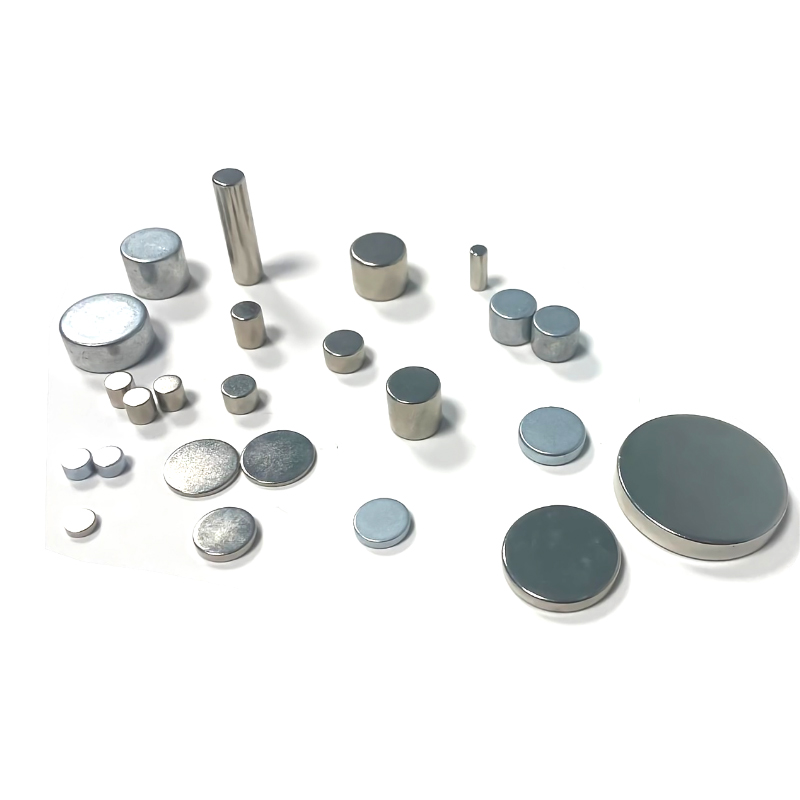
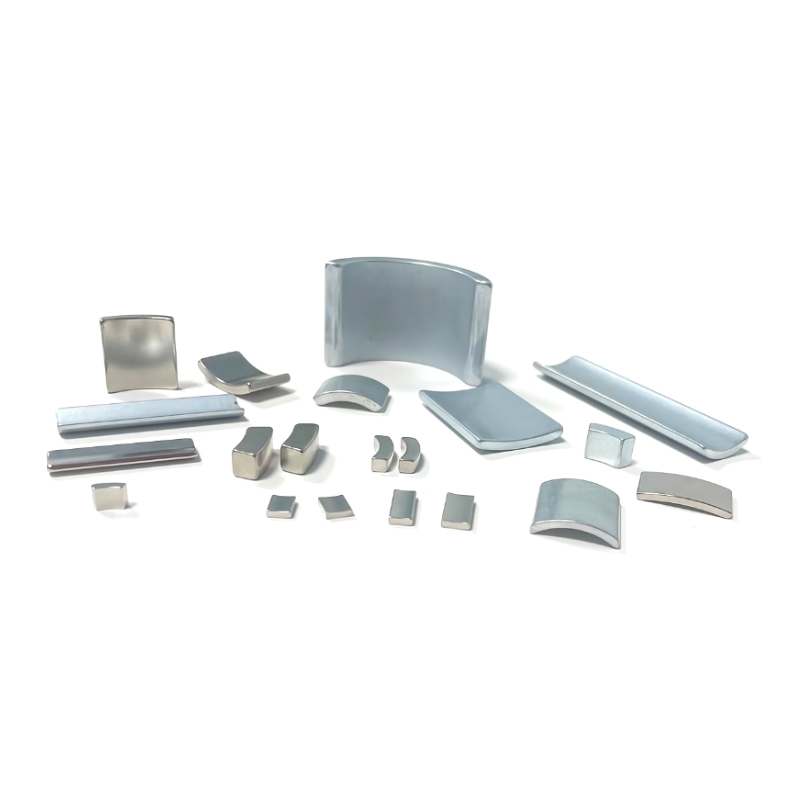
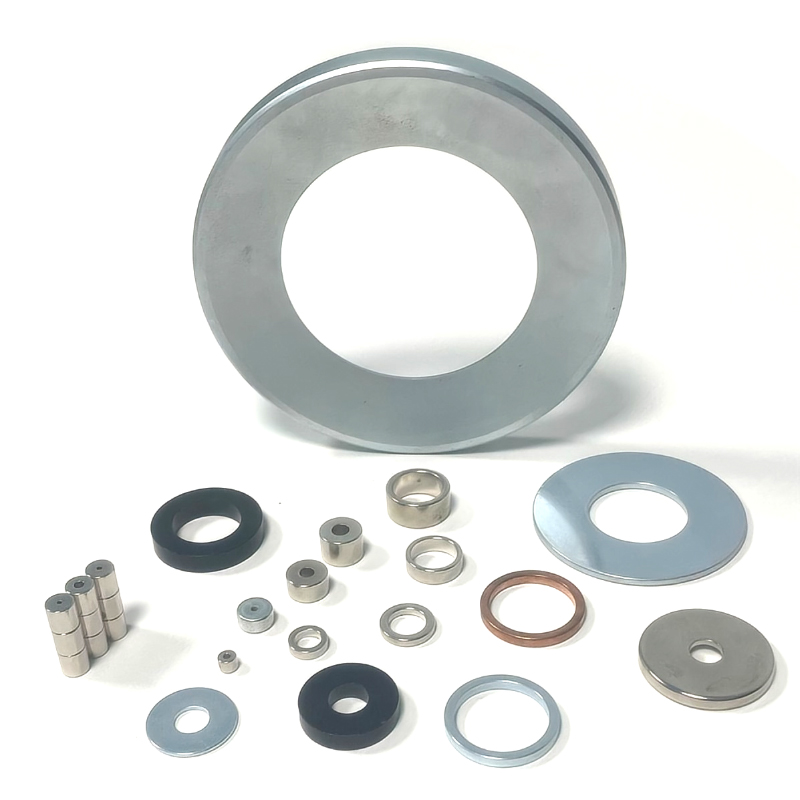
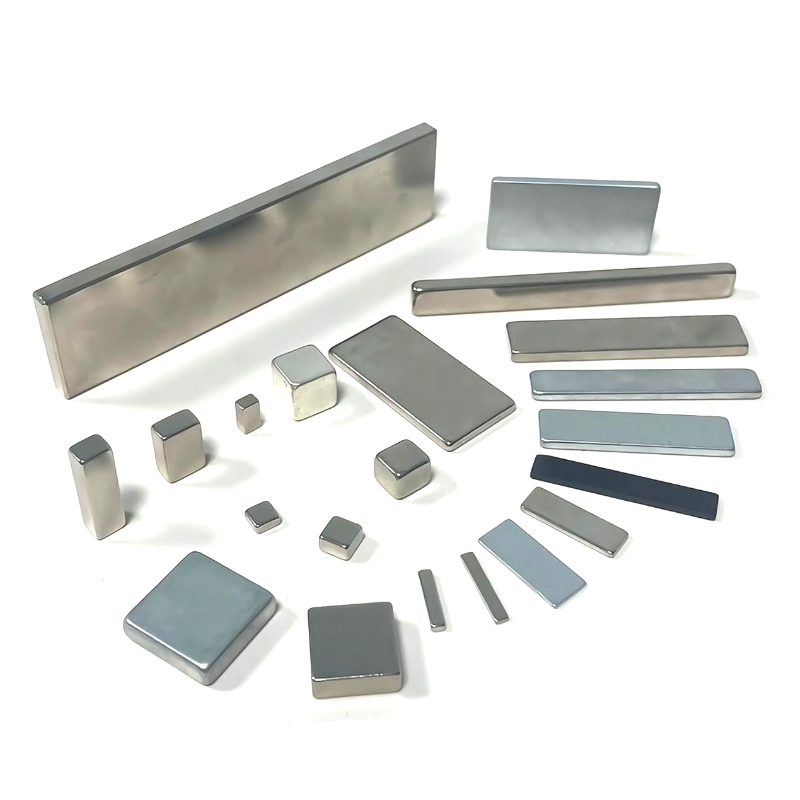
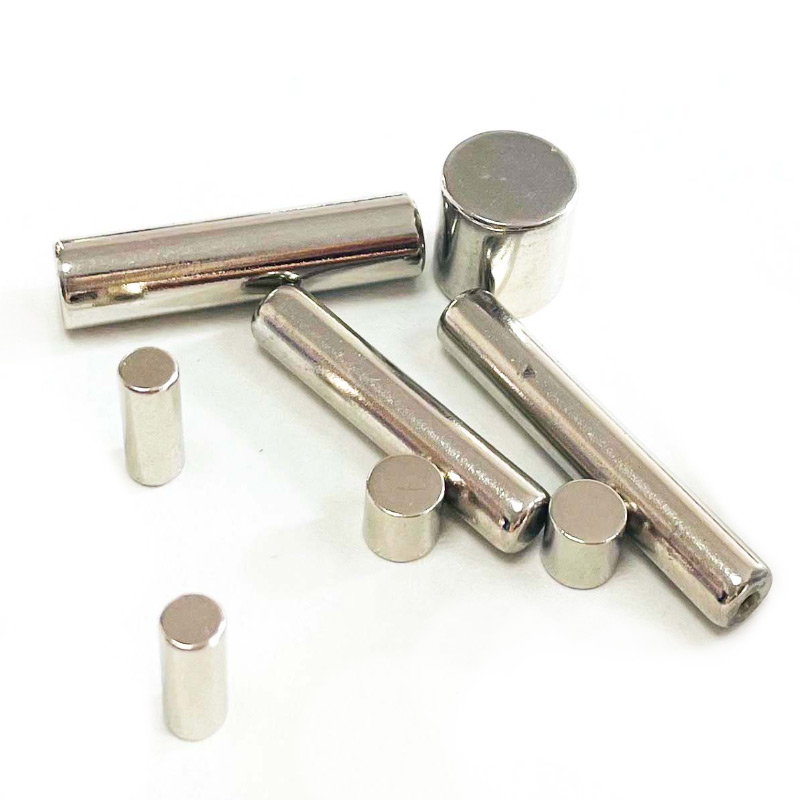
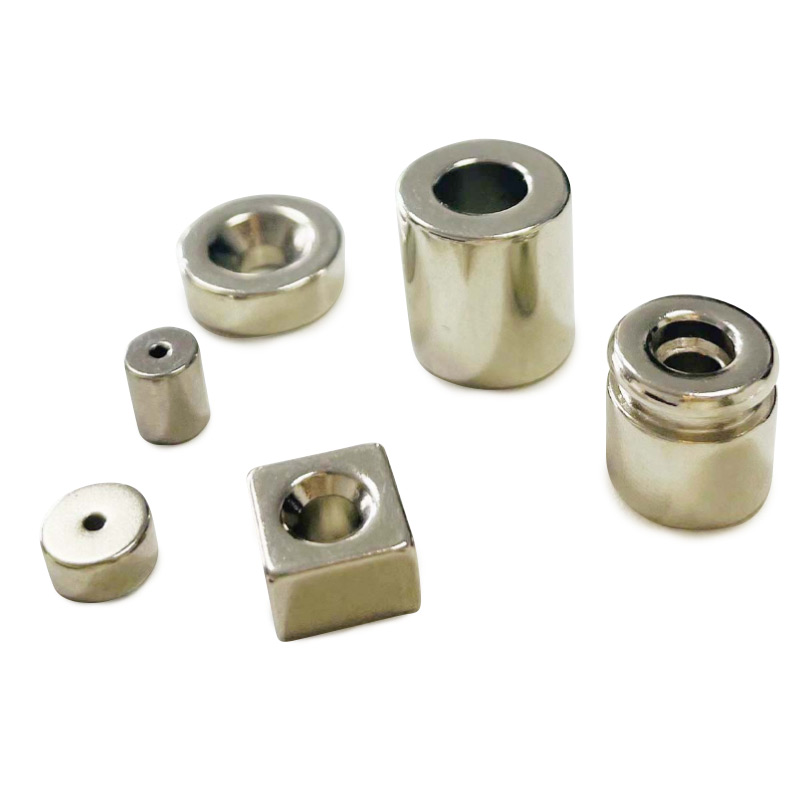
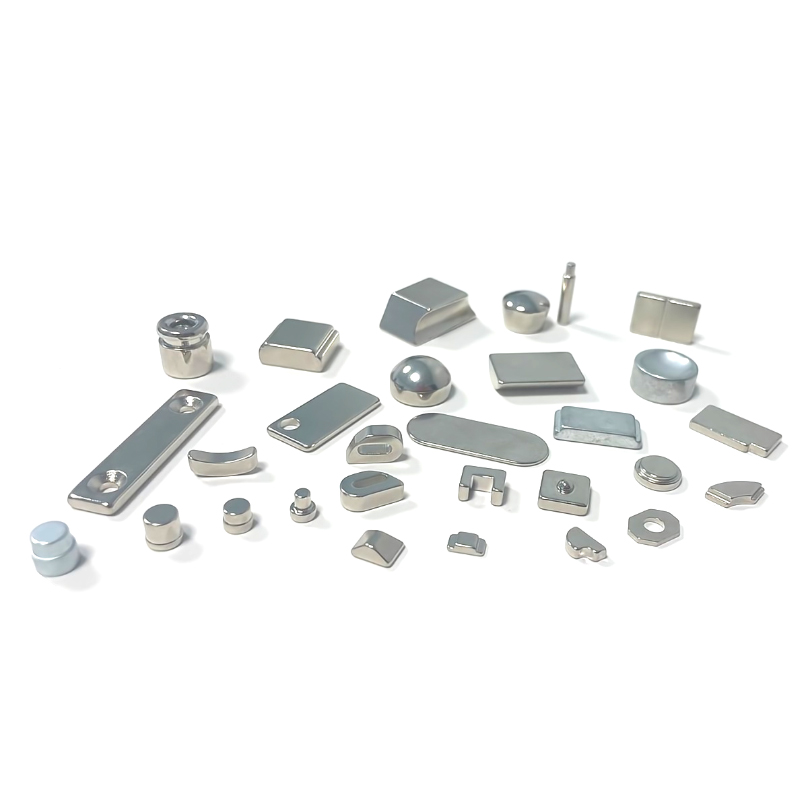
Ningbo Tujin Magnetic Industry Co., Ltd is specialize in the manufacturing and sales of high-performance NdFeB magnets. With years of expertise in magnetic materials, we excel in providing high-temperature-resistant motor magnets and customized magnetic solutions with superior precision and stability. Renowned for our exceptional product quality, fast lead times, and high flexibility, we have become a trusted long-term partner for leading companies across multiple industries. Core Product Advantages: High-Temperature Motor Magnets designed to meet demanding thermal stability requirements for EV traction motors, industrial automation, home appliances, medical devices, and energy machinery. We support custom shapes including disc, block, arc (segment), ring, rod, and wedge shaped magnets neodymium. Premium quality focus with advanced coatings (Ni-Cu-Ni, epoxy) for oxidation resistance. As a professional neodymium magnets manufacturer and rare earth magnets factory, we deliver fast lead times and industry-wide solutions for motors, speakers, sensors, and more.
Storing neodymium magnets safely requires three fundamental actions: maintain physical separation between magnets (minimum 5-10cm depending on grade), use magnetic keepers (steel bars) for larger assemblies, and control environmental conditions (temperature below 80°C, humidity under 60%). According to data from rare earth magnets manufacturer testing, improper storage can cause magnetic wedges and blocks to lose up to 3% of flux density annually due to stray field interactions and corrosion. The direct conclusion: a neodymium magnet handling guide prioritizes injury prevention (finger crushing) and performance retention. This article provides four data visualizations – horizontal bar chart, line graph, column chart, and radar comparison – to illustrate safe storage methods, risk factors, and best practices for custom neodymium magnets used in industrial and motor applications. Whether you store wedge shaped neodymium magnet assemblies or standard blocks, these guidelines apply.
As a leading NdFeB magnets factory, Ningbo Tujin recommends storing custom NdFeB magnets in original anti-magnetic packaging with foam separators. For wedge magnet alignment tips, always keep wedges oriented with like poles facing each other to reduce repulsion forces during handling. The following sections provide data-backed safety protocols.
When storing rare earth magnets, several risk factors must be managed. The horizontal bar chart below ranks these risks based on incident reports from industrial neodymium magnets supplier data.
Uncontrolled snapping (injury risk) scores highest at 9.8 – neodymium magnets can accelerate from rest to over 5 m/s when attracting each other, causing severe pinch injuries. For wedge shaped neodymium magnet arrays, sudden closure can shatter brittle material. Demagnetization risk (9.2) occurs when high strength magnetic wedge assemblies are stored near strong opposing fields; a 0.5mm gap increase can reduce surface field by 30% over months. Corrosion (8.7) is particularly dangerous for uncoated rare earth magnet grades; Ni-Cu-Ni coated magnets from reputable neodymium magnets factory resist this. Electronics interference (8.0) matters for custom NdFeB magnets stored near sensitive medical equipment. Chipping (7.2) often results from metal-on-metal contact during storage. Understanding these risks helps motors magnet manufacturer and users implement proper storage protocols.
Not all storage methods are equal. The bar graph below compares the effectiveness of five common storage techniques for preserving neodymium magnet performance and safety, based on rare earth magnets factory testing.
Magnetic keeper combined with foam padding scores highest (9.6). This method uses a steel bar to close the magnetic circuit, reducing external stray fields by up to 85%. For wedge shaped neodymium magnet assemblies, keepers should match the pole surface geometry. Individual plastic cases (8.5) work well for small custom neodymium magnets but require careful labeling to avoid mixing poles. Wooden boxes with dividers (7.2) are acceptable for industrial magnet storage but wood can absorb moisture over time, potentially affecting coated magnets. Bulk metal containers (5.8) are strongly discouraged because they allow magnets to attract to the container walls, causing difficult removal and risk of chipping. For neodymium magnet for motors applications, the keeper method is preferred because it maintains magnetic alignment and reduces handling hazards. As a NdFeB magnets manufacturer advises, never store magnets loose in a drawer – this is the leading cause of finger injuries.
Storage temperature and humidity directly affect rare earth magnet longevity. The line graph below shows irreversible flux loss for N42 grade neodymium magnets stored at various temperatures over 12 months.
Storage at 20°C results in minimal flux loss (0.5% annually), while 80°C causes 7.8% loss – a 15-fold increase. For high-temperature motor magnets (grades up to 200°C), the base material is formulated to resist thermal demagnetization, but prolonged storage above 80°C is still not recommended. Humidity above 60% combined with temperature cycling accelerates coating failure; Ni-Cu-Ni coated custom NdFeB magnets from a quality rare earth magnets factory resist this for up to 500 hours in salt spray testing. For wedge magnet alignment tips, always store wedge-shaped magnets with their broad face down to minimize contact stress. For neodymium magnet handling guide, avoid storing magnets near heat sources such as radiators or direct sunlight. In high-humidity environments, add silica gel desiccant packs to the storage container. For NdFeb Magnets manufacturer recommended practice, store magnets in original sealed packaging until ready for use.
For long-term storage, the coating on neodymium magnets determines corrosion resistance. The radar chart compares four common coatings used by neodymium magnets factory operations: Ni-Cu-Ni, epoxy, zinc, and uncoated.
Ni-Cu-Ni (nickel-copper-nickel) coating from a professional neodymium magnets supplier scores highest in corrosion resistance (98), humidity resistance (96), and storage life (95). This is the standard for custom neodymium magnets used in demanding environments. Epoxy coating (95/94) offers similar protection but is slightly less scratch-resistant; it is often used for wedge shaped neodymium magnet assemblies that require electrical insulation. Zinc coating (70/68) is acceptable for short-term storage but degrades faster in humid conditions. Uncoated magnets are not recommended for any storage duration beyond a few days. For neodymium magnet for motors that will be stored for months, Ni-Cu-Ni is the preferred choice. As a rare earth magnets factory, Ningbo Tujin applies a minimum of 15μm Ni-Cu-Ni coating on all standard products. When storing mixed batches, separate different coating types to prevent galvanic corrosion if moisture is present.
Use this table as a quick reference for safe storage of industrial magnet inventories. For wedge magnet alignment tips, special considerations apply.
| Magnet Type | Storage Container | Special Precautions |
|---|---|---|
| Block / Disc Magnets | Plastic case with foam | Keep 10mm separation minimum |
| Wedge Shaped Neodymium Magnet | Custom cut foam with angled slots | Align wedge angles consistently; store broad-face down |
| Ring / Arc Magnets | Stack with plastic spacers | Use non-magnetic mandrel for alignment |
| Large Assemblies (>2kg pull) | Steel keeper bar + wooden crate | Two-person handling recommended |
For precision wedge magnet for machinery applications, store wedges in dedicated trays with individual compartments. Wedge magnet alignment tips include marking the north pole direction on each wedge and storing them with like poles facing each other to minimize repulsion forces. For custom NdFeB magnets with complex geometries, request custom storage fixtures from your neodymium magnets manufacturer. Always keep magnets away from credit cards, hard drives, and pacemakers (minimum 30cm distance). For neodymium magnet handling guide, wear cut-resistant gloves when handling magnets larger than 10mm cubes. As a rare earth magnets factory best practice, train all personnel on storage protocols before first use.
Safe storage of neodymium magnets requires managing mechanical (snapping/injury), magnetic (demagnetization), and environmental (corrosion) risks. Data from horizontal bar, column, line, and radar charts confirm that using magnetic keepers with foam padding yields the highest safety score (9.6/10). For wedge shaped neodymium magnet assemblies, custom foam fixtures and consistent angular orientation prevent chipping and preserve high strength magnetic wedge performance. As a custom neodymium magnets user, always follow neodymium magnet handling guide protocols: wear gloves, maintain separation distances, and control storage temperature below 50°C for standard grades. For neodymium magnet for motors requiring long-term storage, Ni-Cu-Ni coated magnets from a reliable NdFeB magnets manufacturer like Ningbo Tujin Magnetic Industry Co., Ltd. provide optimal corrosion resistance. Implement these storage practices to ensure your rare earth magnets remain safe and effective for years.
Contact us for neodymium magnet specifications
Request magnet catalogs and technical details | Send an inquiry for custom NdFeB magnets
Get more information about industrial magnet solutions — Ningbo Tujin Magnetic Industry Co., Ltd.
No.107 Yunshan Industry Park, Sanqishi Town, Yuyao, Ningbo, Zhejiang 315412, China
+86-18858010843
sales@tujinmagnet.com
Copyright ? Ningbo Tujin Magnetic Industry Co., Ltd. All Rights Reserved. Custom Rare Earth Magnets Factory