-
sales@tujinmagnet.com
-
+86-18858010843

Content
NdFeB refers to neodymium iron boron, a rare earth permanent magnet material made primarily from neodymium, iron, and boron, along with small amounts of other elements added to improve performance. In terms of ndfeb magnet meaning, the name itself is simply the chemical shorthand for the three primary elements that form the magnet crystal structure, and this material is widely recognized as the strongest commercially available type of permanent magnet in general use today. NdFeB magnets are produced across a range of grades, commonly labeled from N35 to N52, with higher numbers generally indicating a stronger maximum energy product, meaning the magnet can store and deliver more magnetic energy per unit volume. These magnets are found in NdFeB motors magnet applications, wind turbine generators, sensors, audio equipment, and countless other devices where strong magnetic performance in a compact size is required. The sections below explain NdFeB magnet composition, how grades from N35 to N52 differ, common applications, datasheet specifications, recycling considerations, and a detailed FAQ covering practical questions about this material.
NdFeB magnet composition centers on three primary elements: neodymium, iron, and boron, which combine to form a tetragonal crystal structure known as Nd2Fe14B. This crystal structure is what gives the material its strong intrinsic magnetic anisotropy, meaning the magnetic domains within the material strongly prefer to align along one particular crystal axis, which translates into high resistance to demagnetization once the material is magnetized. Beyond the three primary elements, commercial NdFeB magnets typically include small additions of other rare earth elements such as dysprosium or terbium, which are added specifically to improve high temperature performance and coercivity, meaning the magnet's resistance to losing its magnetization when exposed to heat or opposing magnetic fields.
The donut chart below illustrates a general approximate composition breakdown for a typical sintered NdFeB magnet formulation. Neodymium and other rare earth elements combined make up a meaningful share of the total composition, while iron forms the largest structural component of the alloy, and boron makes up a small but essential fraction that stabilizes the crystal structure. This composition can vary somewhat between different grades and manufacturers depending on the specific magnetic and thermal performance targets for a given application. Referenced general composition ranges are consistent with widely published rare earth magnet material science literature.
Approximate general composition: Iron 51 percent, Neodymium and rare earth additions 34 percent, Boron and other trace elements 15 percent, based on general sintered NdFeB material science references.
Sintered NdFeB magnets are typically produced through a powder metallurgy process. Raw materials are first melted together into an alloy ingot, which is then processed into a fine powder through a combination of hydrogen decrepitation and jet milling, reducing the material to particles small enough that each individual particle behaves as a single magnetic domain. This powder is then aligned in a strong external magnetic field and pressed into a rough block shape, which locks the magnetic orientation of the particles before the material is sintered at high temperature to fuse the powder into a dense solid magnet.
After sintering, the resulting magnet blank is typically ground and machined to final dimensions, since the sintering process alone does not achieve tight dimensional tolerances. Because NdFeB material is prone to corrosion when exposed to moisture, finished magnets almost always receive a protective surface coating, commonly nickel copper nickel plating, epoxy, or zinc coating, depending on the intended operating environment. Finally, magnets are magnetized in a strong pulsed magnetic field as one of the last production steps, since handling fully magnetized blocks throughout machining would create significant handling and safety challenges in a production environment.
NdFeB magnet grades follow a standardized naming convention where the number following the N indicates the approximate maximum energy product of the material, measured in mega gauss oersteds. The horizontal bar chart below illustrates a general trend in maximum energy product across common grades from N35 up to N52, showing how energy product generally increases as the grade number increases. Higher grade magnets like N52 deliver stronger magnetic output for a given magnet volume, which is valuable in applications where space is limited and magnetic performance must be maximized within a small footprint. Lower grade magnets such as N35 remain widely used in applications where the highest possible magnetic output is not required and other factors such as mechanical robustness or cost efficiency take priority. Selecting the appropriate grade depends heavily on the specific application requirements rather than simply choosing the highest available grade by default.
Illustrative general trend in maximum energy product across common NdFeB grades, actual values vary by manufacturer and datasheet specification.
| General grade comparison reference for common NdFeB magnet grades | ||
| Grade | Relative Energy Product | Common Use Case |
| N35 | Lower range | General purpose holding and assembly applications |
| N42 | Mid range | Motors, sensors, and general industrial devices |
| N52 | Highest range within standard series | Compact high output motor and generator applications |
Comparing NdFeB magnets with Alnico magnets highlights why NdFeB has become the dominant choice for compact, high performance applications while Alnico remains relevant in specific niche uses. Alnico magnets, made primarily from aluminum, nickel, and cobalt, offer excellent temperature stability and can operate at notably higher temperatures than standard NdFeB material without losing significant magnetic strength. However, Alnico generally provides a much lower maximum energy product compared with NdFeB, meaning an Alnico magnet must be considerably larger to achieve magnetic output similar to a much smaller NdFeB magnet.
NdFeB magnets, by contrast, deliver substantially higher magnetic energy density in a compact form factor, which is precisely why NdFeB motors magnet applications and other space constrained designs favor this material. The tradeoff is that standard NdFeB material is more sensitive to elevated operating temperatures and requires protective coating due to corrosion sensitivity, considerations that engineers must account for during material selection depending on the operating environment of the final application.
| General comparison between NdFeB and Alnico magnet material characteristics | ||
| Characteristic | NdFeB Magnets | Alnico Magnets |
| Magnetic Energy Density | High | Lower |
| High Temperature Stability | Moderate, grade dependent | Strong |
| Corrosion Resistance | Requires protective coating | Naturally more resistant |
| Typical Form Factor | Compact | Larger for equivalent output |
The question of what are neodymium magnets used for covers an extremely wide range of applications across nearly every industry that relies on electromagnetic devices. NdFeB motors magnet applications include electric motors found in electric vehicles, industrial automation equipment, and household appliances, where compact, strong magnets allow motor designers to achieve high torque output within a smaller and lighter motor housing compared with older magnet technologies. Wind turbine generators also rely heavily on NdFeB magnets, since permanent magnet generator designs can eliminate certain electrical winding components that older generator designs required.
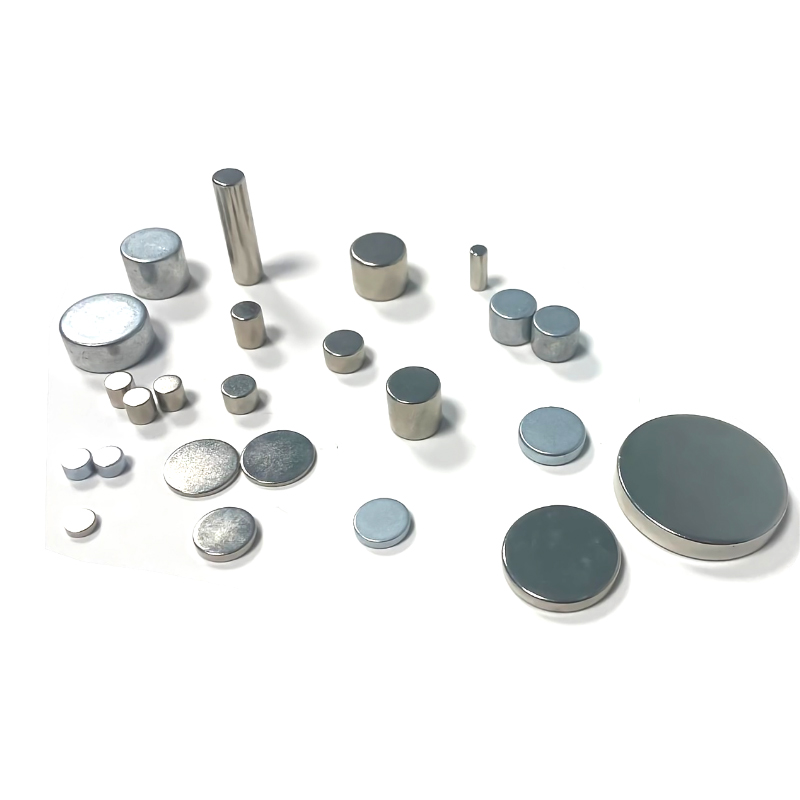
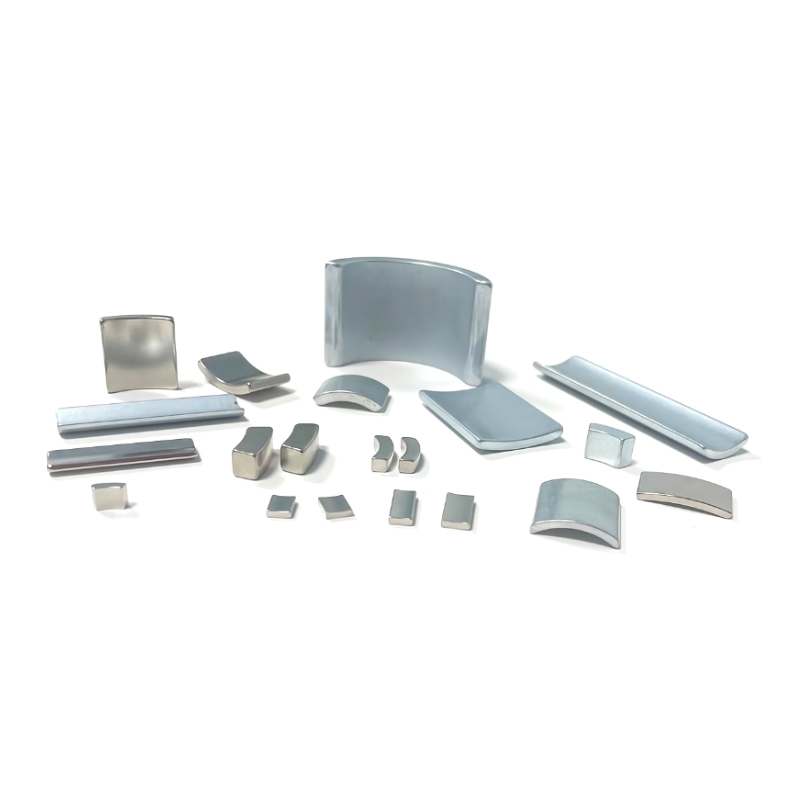
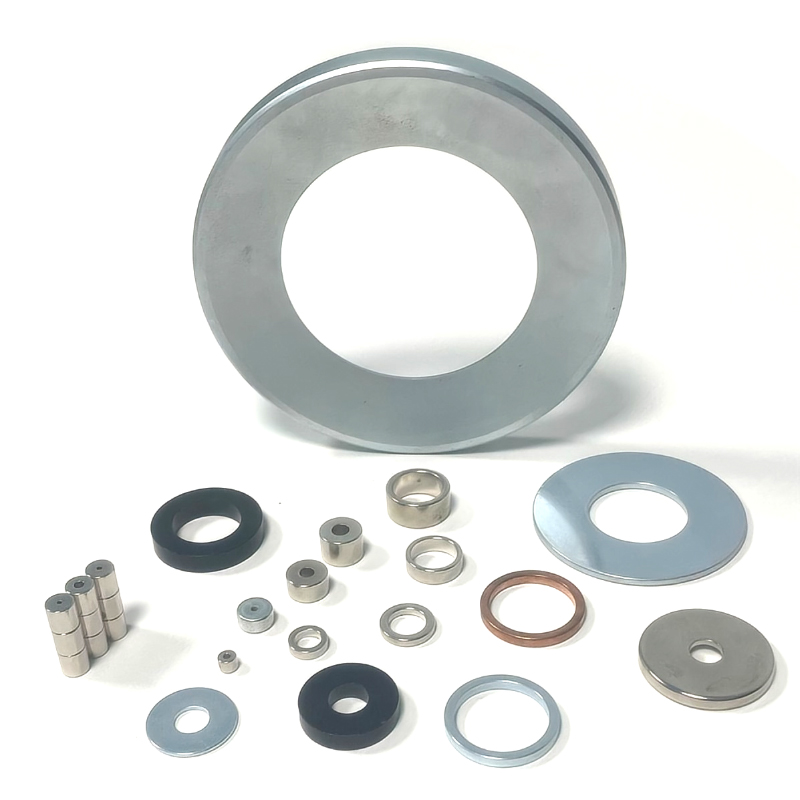
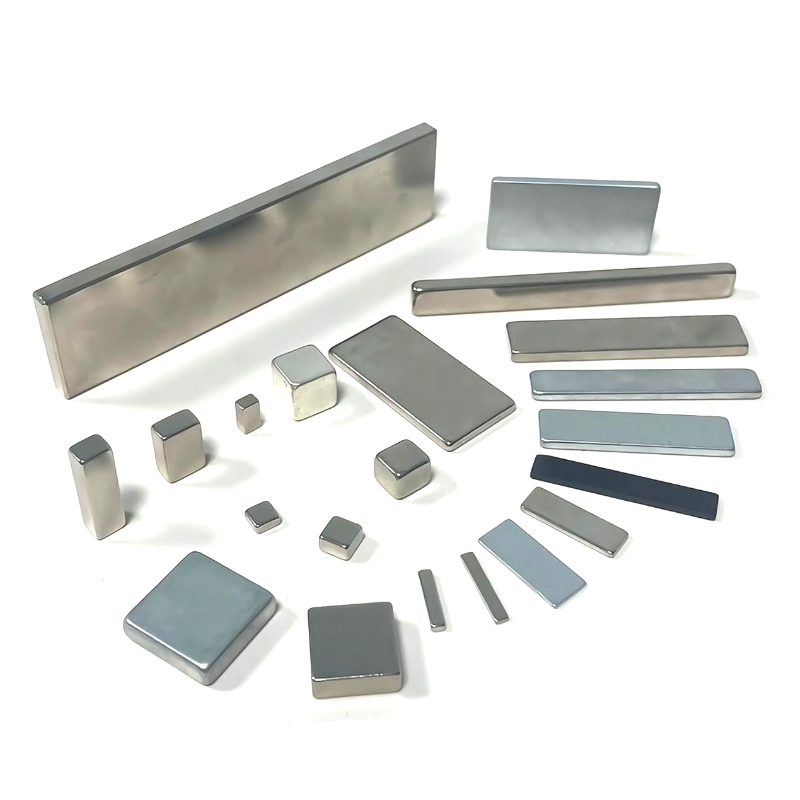
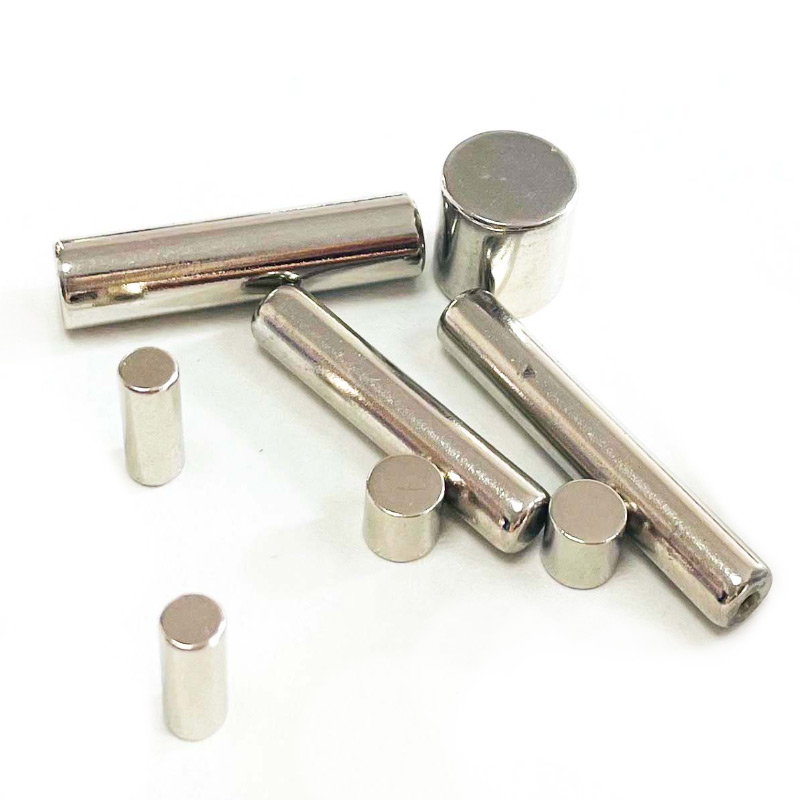
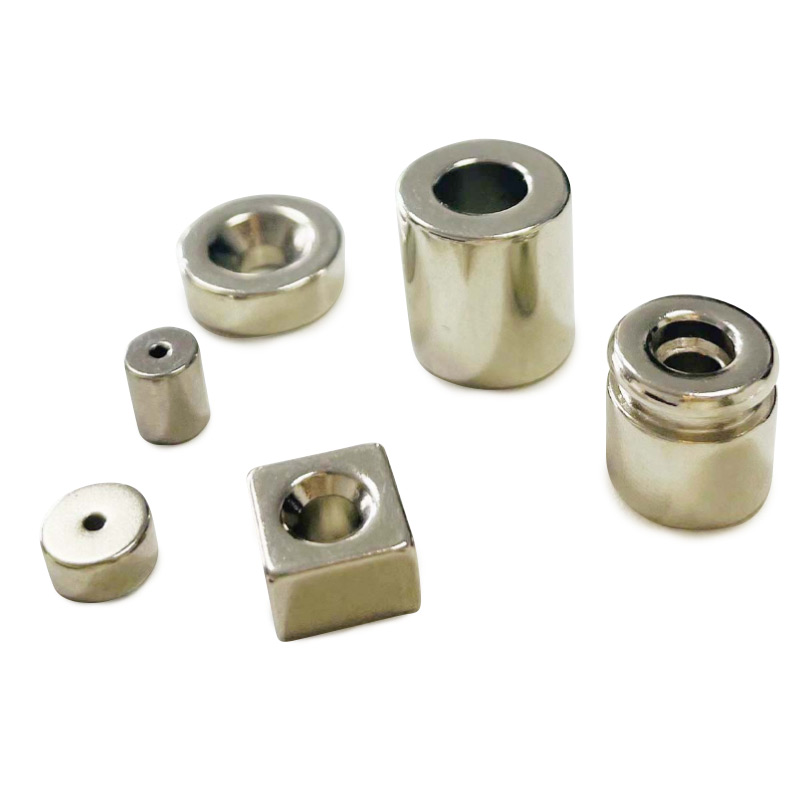
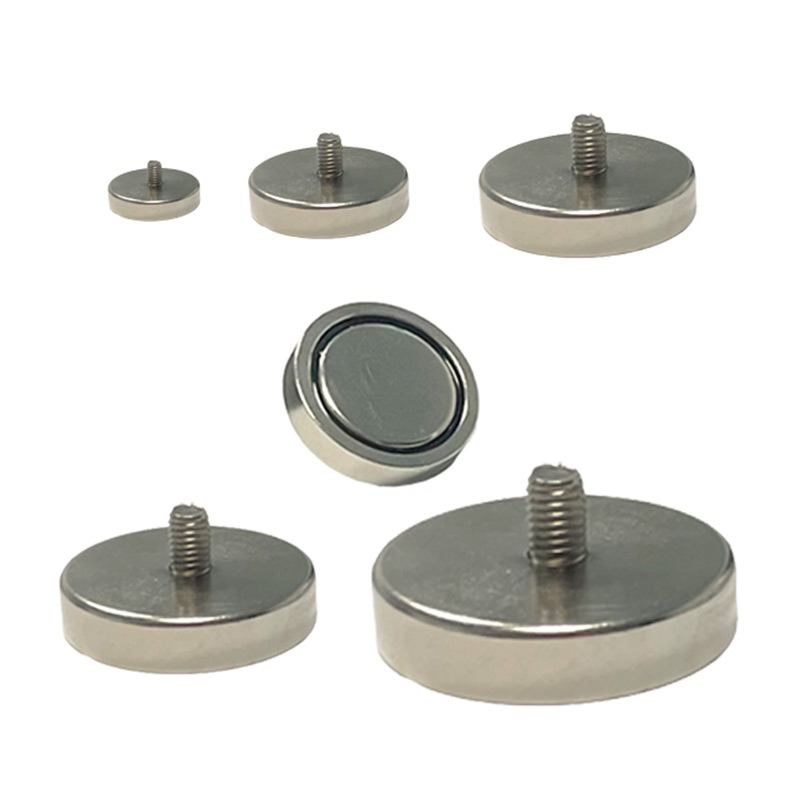
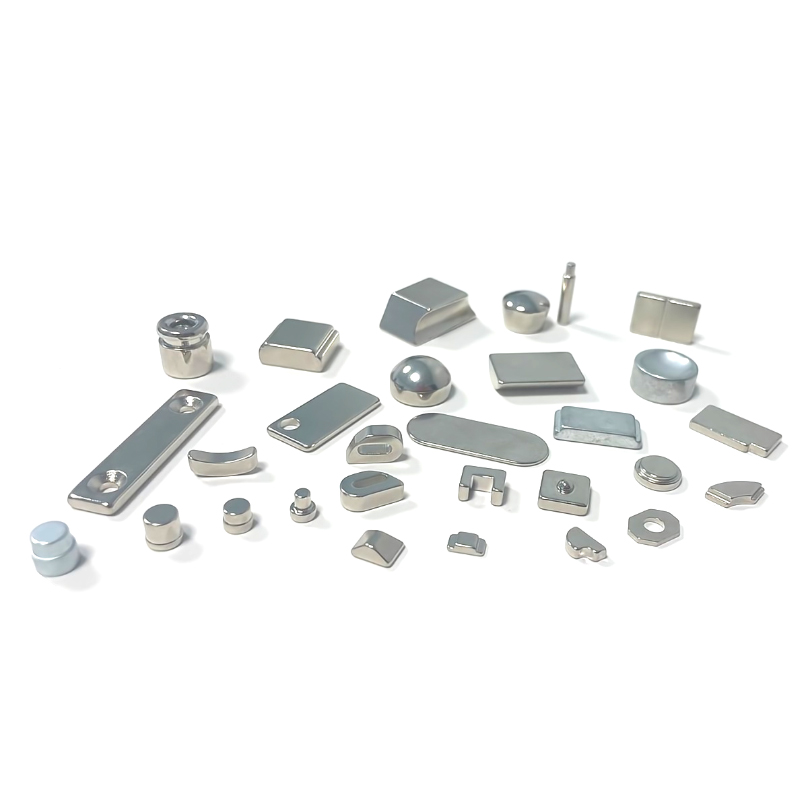
Beyond motors and generators, NdFeB magnets appear in speaker assemblies, sensor devices, magnetic separators, holding and lifting equipment, and a wide variety of consumer electronics where compact magnetic components are needed. Disc magnets, ring magnets, block magnets, and arc magnets each serve different geometric requirements depending on how the magnet needs to interface with surrounding components, with ring magnets particularly common in motor rotor assemblies and arc magnets frequently used in curved motor housing applications.
The area chart below illustrates a general adoption trend reflecting how permanent magnet motor designs using NdFeB material have expanded across industrial and automotive applications over recent years. As motor designers increasingly prioritize compact size and higher torque density, NdFeB based motor designs have continued to gain adoption relative to older magnet technologies. This trend has been particularly pronounced in electric vehicle drivetrain motors and industrial servo motor applications, where the combination of high energy density and precise control performance makes NdFeB material well suited to the design requirements. The chart reflects a general illustrative pattern consistent with widely reported trends in permanent magnet motor design literature rather than a specific dataset from any single source.
Illustrative general adoption trend for NdFeB based permanent magnet motor designs across recent industry periods.
A typical ndfeb magnet datasheet includes several key specifications that engineers use to select the correct magnet for a given design. Remanence, often labeled Br, describes the magnetic flux density remaining in the material immediately after magnetization. Coercivity, labeled Hc or sometimes iHc for intrinsic coercivity, describes how resistant the magnet is to demagnetization from an opposing field or from elevated temperature exposure. Maximum energy product, labeled BHmax, is the specification that corresponds directly to the grade designation, such as N35 or N52, and represents the maximum magnetic energy the material can deliver per unit volume.
Datasheets also typically list maximum working temperature, since NdFeB material gradually loses magnetic performance as operating temperature rises, and different grade series are formulated with varying rare earth additions specifically to extend usable temperature range. Physical dimensions, tolerance, coating type, and magnetization direction are also standard datasheet fields, since these details directly affect how the magnet will perform and fit within a specific mechanical assembly.
| Common specification fields found on a typical NdFeB magnet datasheet | |
| Specification | General Description |
| Remanence Br | Magnetic flux density immediately after magnetization |
| Coercivity Hc | Resistance to demagnetization from opposing fields |
| Maximum Energy Product BHmax | Corresponds to grade designation such as N35 or N52 |
| Maximum Working Temperature | Highest temperature before significant performance loss |
| Coating Type | Protective surface finish such as nickel or epoxy coating |
NdFeB magnet recycling has become an increasingly discussed topic as demand for rare earth materials continues to grow across motor, generator, and electronics manufacturing. Because NdFeB magnets contain valuable rare earth elements, recovering and reprocessing material from end of life products offers a way to reduce dependence on newly mined rare earth resources. Recycling approaches generally fall into a few categories, including direct reuse of intact magnets recovered from disassembled equipment, remelting and reprocessing scrap material back into new magnet alloy, and chemical extraction processes that recover individual rare earth elements from magnet waste for use in new material production.
Industry interest in NdFeB magnet recycling continues to expand as manufacturers and researchers develop more efficient recovery methods, since the same magnetic properties that make NdFeB valuable in new products also make recovered material valuable for reuse. This growing focus on material recovery reflects broader industry attention to responsible resource use across the rare earth magnet supply chain, an area that continues to see active research and development interest.
For companies involved in importing or exporting magnetic materials, understanding the general ndfeb magnet hs code classification helps streamline customs documentation and international shipping logistics. Permanent magnets, including NdFeB material, are generally classified within the harmonized system chapter covering electrical machinery and equipment, with specific subheadings distinguishing permanent magnets from other electrical components. Exact classification can vary slightly depending on the finished form of the product, such as raw magnet blocks versus finished magnetic assemblies incorporated into a larger device, so companies engaged in cross border shipment of NdFeB magnets typically confirm the applicable classification with their customs broker or relevant trade authority for their specific shipment and destination country.
Ningbo Tujin Magnetic Industry Co., Ltd. is a professional neodymium magnets manufacturer and neodymium magnets factory located within the gathering area for China's magnetic materials industry, an important port city in eastern China well positioned for both domestic distribution and international shipping. The company operates as an emerging technology enterprise that integrates production, research and development, and sales within one coordinated operation, specializing in mid to high end Neodymium NdFeB magnetic materials and related products.
Main product lines include Disc magnets, Ring magnets, Block magnets, Arc magnets, and customized special shaped magnets designed to meet varied engineering requirements across motor, sensor, and general industrial applications. This focused product range allows the company to support customers seeking specific magnet geometries and grade specifications for NdFeB motors magnet assemblies, general industrial devices, and other applications requiring dependable rare earth magnetic material sourced from an established manufacturing base within a major magnetic materials industry region.
Q1: What is NdFeB in simple terms
NdFeB stands for neodymium iron boron, a rare earth permanent magnet material known for delivering strong magnetic performance in a compact size.
Q2: What does the number in N35 to N52 mean
The number reflects the approximate maximum energy product of the grade, with higher numbers generally indicating stronger magnetic output per unit volume.
Q3: What are neodymium magnets used for
Neodymium magnets are used in electric motors, wind turbine generators, speakers, sensors, and many other applications requiring compact, strong magnetic components.
Q4: How is NdFeB different from Alnico magnets
NdFeB generally offers higher magnetic energy density in a smaller size, while Alnico offers stronger high temperature stability at a lower energy density.
Q5: What information appears on an NdFeB magnet datasheet
A datasheet typically lists remanence, coercivity, maximum energy product, maximum working temperature, dimensions, and coating type.
Q6: Can NdFeB magnets be recycled
Yes, NdFeB magnets can be recovered through direct reuse, remelting, or chemical extraction methods that recover rare earth elements for reuse in new material.
Q7: Why do NdFeB magnets need a protective coating
NdFeB material is sensitive to corrosion when exposed to moisture, so a protective coating such as nickel or epoxy is applied to extend usable service life.
Q8: How is an NdFeB magnet classified for international shipping
Permanent magnets are generally classified within the harmonized system chapter covering electrical machinery, though exact classification should be confirmed with a customs broker for a specific shipment.
No.107 Yunshan Industry Park, Sanqishi Town, Yuyao, Ningbo, Zhejiang 315412, China
+86-18858010843
sales@tujinmagnet.com
Copyright ? Ningbo Tujin Magnetic Industry Co., Ltd. All Rights Reserved. Custom Rare Earth Magnets Factory