-
sales@tujinmagnet.com
-
+86-18858010843

Content
NdFeB magnets are the primary reason permanent magnet motors outperform conventional induction motors in efficiency, size, and torque density. As a NdFeb motors magnet, neodymium iron boron material allows a motor rotor to generate strong, stable magnetic flux from a compact volume, which directly translates into higher power density and lower energy loss during operation. This single material property explains why electric vehicle traction motors, industrial servo motors, and energy-efficient appliance motors have all converged on NdFeB magnets as their standard rotor material rather than older ferrite or wound-rotor designs. The sections below walk through the market data, motor types, and technical selection criteria that explain this shift in detail.
Understanding why NdFeB magnets dominate modern motor design helps engineers, OEMs, and procurement teams evaluate motor magnet sourcing decisions based on measurable performance factors rather than general assumptions about magnet strength.
Permanent magnet synchronous motors, or PMSM, use NdFeB magnets embedded in or mounted on the rotor to generate a constant magnetic field without the electrical losses associated with rotor windings found in induction motors. According to Allied Market Research, the use of permanent magnets in motors improves overall motor efficiency by approximately 10 percent compared with conventional motor designs, which is a significant gain in applications where energy consumption is measured continuously, such as industrial pumps, fans, and compressors.
This gauge chart represents a single, well-documented efficiency figure rather than a composite or estimated average, making it a useful reference point for comparing motor technologies. A 10 percent efficiency improvement may appear modest on paper, but in continuous-duty industrial equipment this compounds into meaningful energy savings over the operating life of the motor. This efficiency gain is achieved specifically because NdFeB magnets eliminate the need for rotor field excitation current, which is a major source of resistive loss in induction motors. For applications governed by energy efficiency regulations, such as HVAC systems and industrial pump drives, this efficiency margin is often the deciding factor in selecting a permanent magnet motor design over a traditional induction motor. It also explains why demand for NdFeB motors magnet components has grown alongside stricter energy efficiency standards across multiple regions. For a motor magnet manufacturer, this data point reinforces why consistent magnet quality and stable flux output directly affect a motor's certified efficiency rating.
Growth in permanent magnet synchronous motors reflects the broader shift toward NdFeB-based motor designs. According to The Business Research Company, the global PMSM market was valued at approximately 28.83 billion US dollars in 2025, rising to about 31.14 billion US dollars in 2026, and is projected to reach roughly 41.96 billion US dollars by 2030, driven by electric vehicle powertrains, industrial automation, and high-efficiency motor standards.
This area chart plots three reported data points across 2025, 2026, and the 2030 forecast, showing a clear and sustained upward trend in permanent magnet motor demand. The relatively flat early slope between 2025 and 2026 gives way to a steeper climb toward 2030, suggesting that growth is expected to accelerate rather than level off as electric vehicle adoption and industrial automation expand further. Since PMSM design depends directly on NdFeB magnets for rotor field generation, this market growth translates proportionally into rising demand for motor-grade neodymium magnets. This pattern also supports continued investment by a NdFeB motor magnet manufacturer in expanding high-temperature grade production, since EV and industrial motor applications are the primary drivers of this specific market segment. For OEMs planning multi-year motor platforms, this data suggests that NdFeB magnet supply relationships should be treated as a long-term strategic input rather than a component sourced only when immediately needed. The consistency across multiple years of reported growth also reduces the likelihood that this trend reflects a short-term anomaly tied to a single product cycle.
Different motor types place different thermal and mechanical demands on their magnets, meaning magnet grade selection should follow motor duty cycle rather than a single default choice. The heatmap below presents a general suitability guide based on standard NdFeB temperature grade characteristics, not a specific market survey.
This heatmap shows that appliance motors, which typically operate at lower sustained temperatures, are well matched to standard N or M grade magnets, since higher-grade materials would add unnecessary thermal margin without a corresponding performance benefit. Servo motors used in industrial automation generally run at moderate, more variable duty cycles, making H or SH grade magnets a practical middle ground between thermal stability and magnetic output. EV traction motors experience the highest sustained heat due to continuous high-torque operation, which is why UH or EH grade magnets are the strongest fit for this application despite their higher production complexity. The diagonal pattern visible in the heatmap, from lower grades suiting appliance motors to higher grades suiting EV motors, reflects a genuine engineering relationship rather than an arbitrary categorization. Selecting a grade above what a motor's duty cycle actually requires does not meaningfully improve performance and simply adds unnecessary material cost, while selecting a grade below requirements risks demagnetization under sustained heat. This is why a NdFeB motor magnet manufacturer should confirm a customer's motor duty cycle before recommending a specific grade rather than defaulting to the highest available option.
Beyond grade selection, motor types differ across several performance dimensions that influence magnet specification. The radar chart below reflects general engineering characteristics associated with each motor category.
EV traction motors show consistently higher values across thermal load, torque density, and duty cycle length compared with appliance or servo motors, reflecting their continuous high-power operation under real driving conditions. Appliance and servo motors score higher on precision control in this comparison, since many servo applications prioritize fine positional accuracy over raw torque output. Space constraint is elevated for both categories, though for different reasons: appliance motors are limited by compact product housings, while EV motors are limited by vehicle packaging requirements around the drivetrain. Vibration exposure is generally lower for appliance motors operating in stable indoor environments compared with EV motors subjected to road-induced vibration and thermal cycling. This comparison illustrates why a single magnet specification cannot serve all motor types equally well, and why custom NdFeB magnets tailored to a specific motor's operating profile outperform a one-size-fits-all approach. For engineers designing new motor platforms, this kind of comparative view supports specifying magnets based on the motor's actual operating envelope rather than assuming higher performance numbers are always preferable.
The isometric diagram below illustrates a simplified rotor cross-section showing how arc-shaped NdFeB magnets are typically arranged around a motor shaft in surface-mounted permanent magnet motor designs.
In this surface-mounted rotor layout, arc-shaped NdFeB magnets are affixed around the rotor core with alternating north and south poles, creating the rotating magnetic field that interacts with the stator windings to produce torque. The number of pole pairs shown here is illustrative; actual pole counts vary depending on motor speed and torque requirements specific to each design. This arc geometry is chosen specifically because it follows the curvature of the rotor surface, maintaining a consistent air gap between magnet and stator for even flux distribution around the full rotation. Precision in arc dimensions matters significantly here, since inconsistent magnet thickness or curvature can create torque ripple, reducing motor smoothness and efficiency. This is one of the clearest illustrations of why custom NdFeB magnets, shaped precisely to a rotor's design specifications, directly affect real-world motor performance rather than simply serving as a generic magnetic component.
| Motor Type | Typical Magnet Grade | Common Application |
|---|---|---|
| BLDC motor | N to H grade | Fans, small appliances, drones |
| Servo motor | H to SH grade | Robotic joints, industrial automation |
| PMSM (industrial) | SH grade | Pumps, compressors, HVAC systems |
| EV traction motor | UH to EH grade | EV drivetrains, hybrid vehicle motors |
Ningbo Tujin Magnetic Industry Co., Ltd specializes in the manufacturing and sales of high-performance NdFeB magnets. With years of expertise in magnetic materials, the company focuses on high-temperature-resistant motor magnets and customized magnetic solutions built for precision and stability. Known for product quality, fast lead times, and high flexibility, the company has become a long-term partner for companies across multiple industries.
The company's high-temperature NdFeB magnets are designed for demanding motor applications, maintaining magnetic performance across a range from -40°C to 200°C or higher. These NdFeb motors magnet solutions serve new energy vehicle traction and hub motors, servo motors, PMSM and BLDC motors, robotic joint motors, and home appliance motors such as AC compressors and washing machine drives, along with dental implant motors, medical instrument micro-motors, and solar pump and turbine applications.
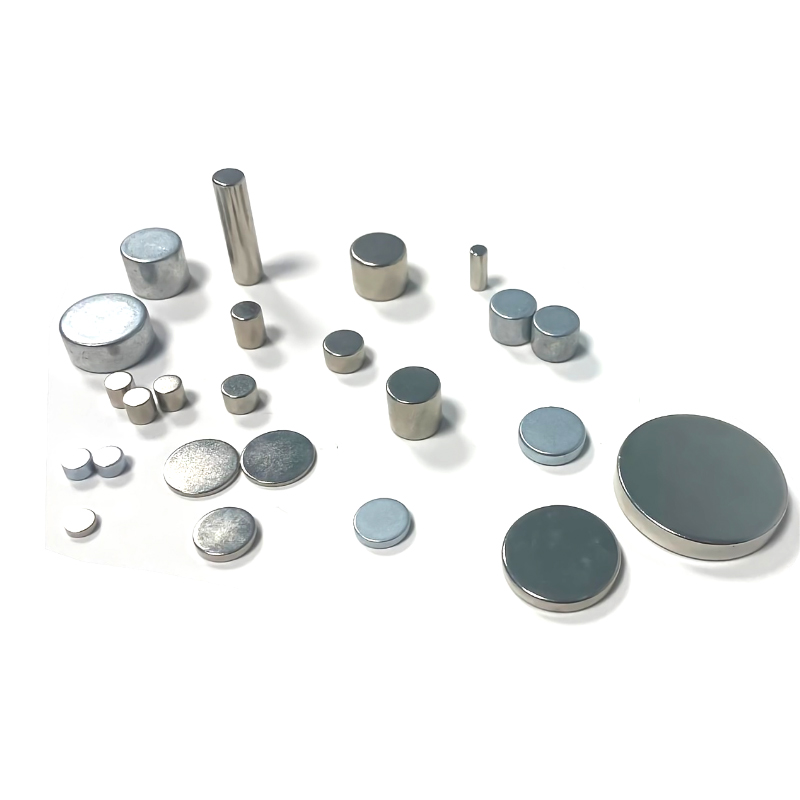
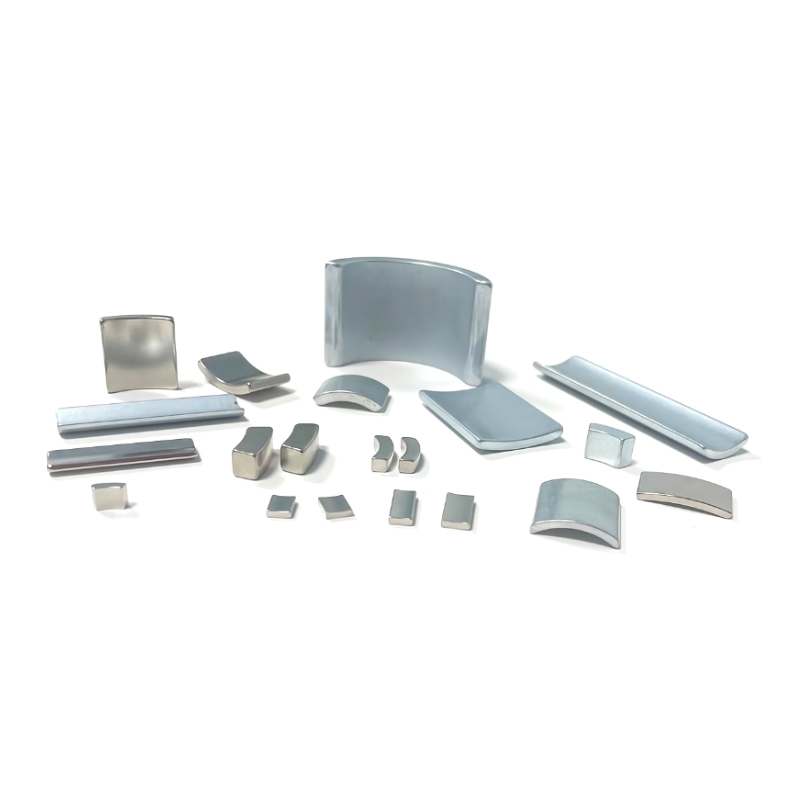
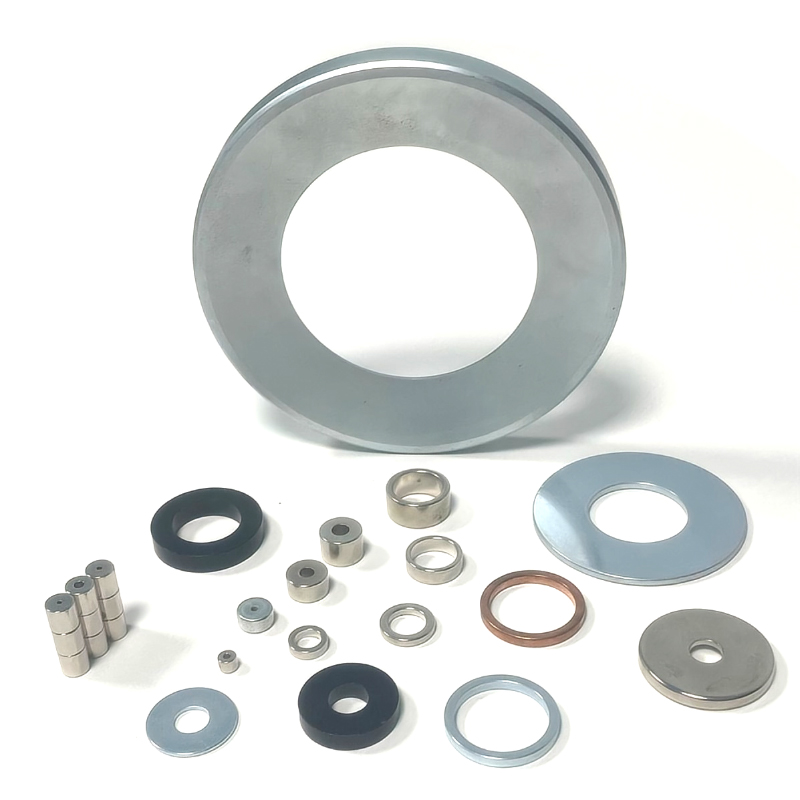
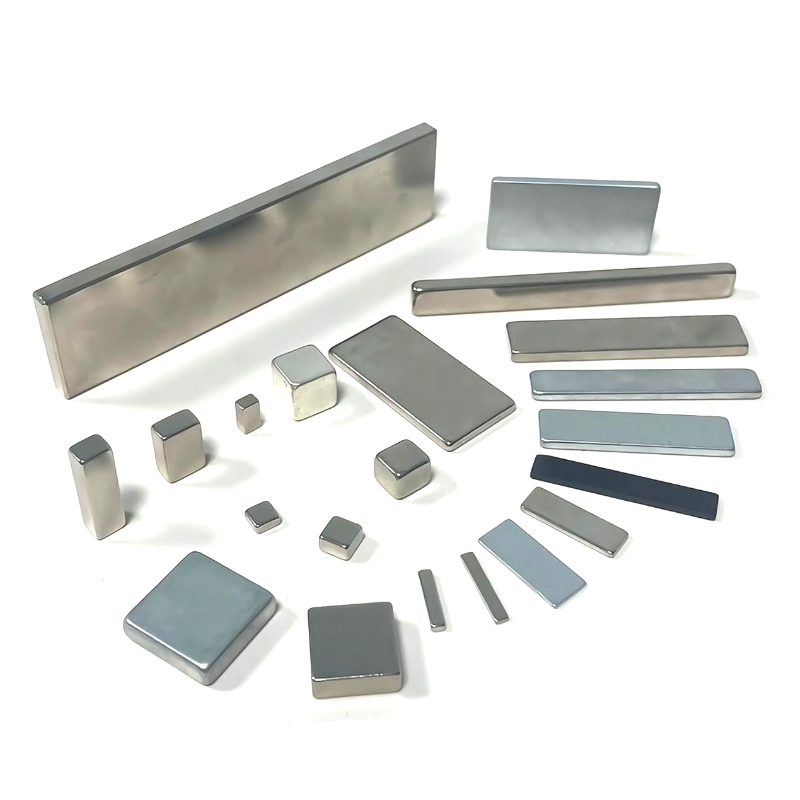
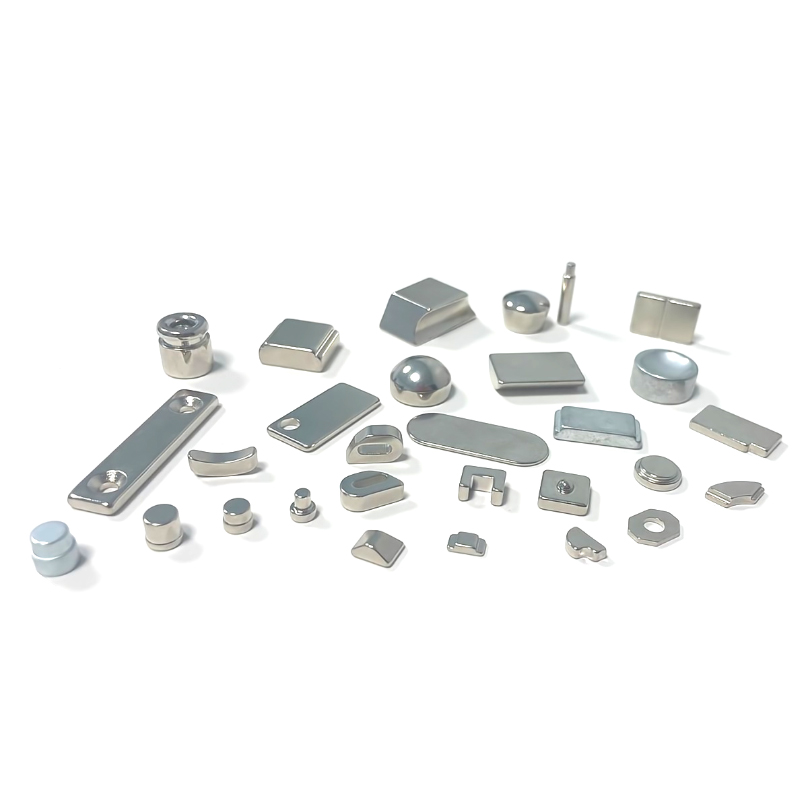
Tujin Magnetic Industry supports complex, precision-shaped custom NdFeB magnets, including disc, block, arc (segment), and multi-pole magnetized ring designs, matching varied magnetic circuit requirements. The company focuses on mid-to-high-end magnets for long-term reliability, applies advanced coatings such as Ni-Cu-Ni and epoxy to enhance oxidation resistance, and maintains streamlined design-to-production processes to support shorter lead times. Beyond motors, the company's magnets are also used in speakers, sensors, and wind power applications, positioning Tujin Magnetic Industry as a partner for both standard and custom motor magnet solutions.
Q1: Why are NdFeB magnets preferred for permanent magnet motors?
A1: NdFeB magnets offer high energy density in a compact volume, allowing motors to achieve strong, stable magnetic flux without the losses associated with rotor field windings.
Q2: What temperature grade is typically used in EV traction motors?
A2: EV traction motors generally require UH or EH grade NdFeB magnets due to sustained high-torque operation and heat buildup during driving conditions.
Q3: How does magnet shape affect motor performance?
A3: Arc-shaped magnets follow the rotor's curvature to maintain a consistent air gap with the stator, and precise geometry helps reduce torque ripple during operation.
Q4: Can one magnet grade suit all motor types?
A4: Not typically; appliance motors, servo motors, and EV traction motors each have different thermal and duty cycle profiles that call for different NdFeB magnet grades.
Q5: What should buyers ask a NdFeB motor magnet manufacturer?
A5: Buyers should confirm temperature grade specifications, shape and tolerance capabilities, coating options, and experience with the specific motor category being designed.
No.107 Yunshan Industry Park, Sanqishi Town, Yuyao, Ningbo, Zhejiang 315412, China
+86-18858010843
sales@tujinmagnet.com
Copyright ? Ningbo Tujin Magnetic Industry Co., Ltd. All Rights Reserved. Custom Rare Earth Magnets Factory