-

sales@tujinmagnet.com
-

+86-18858010843

Content
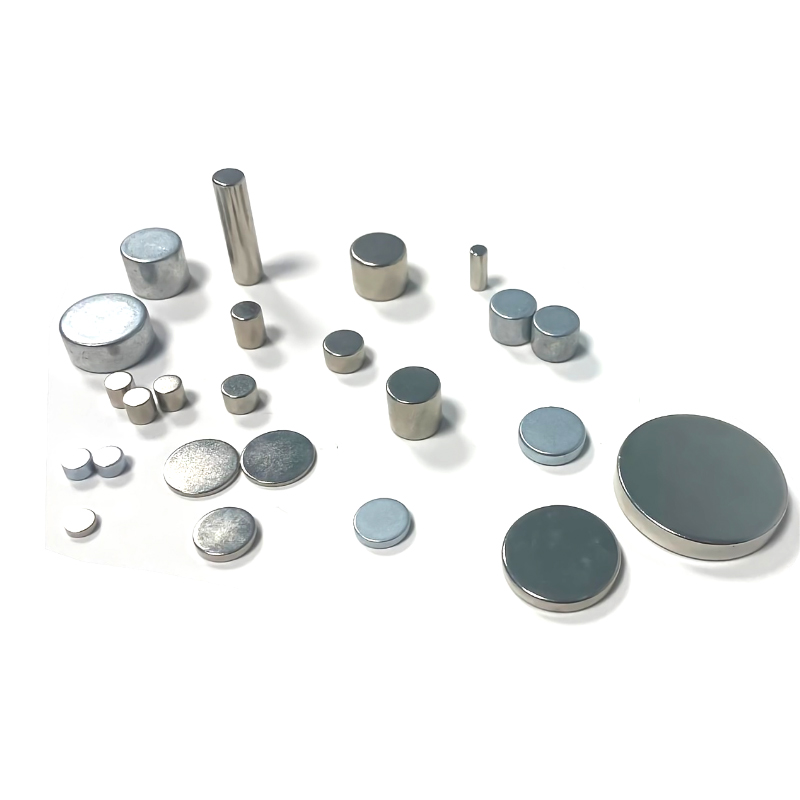
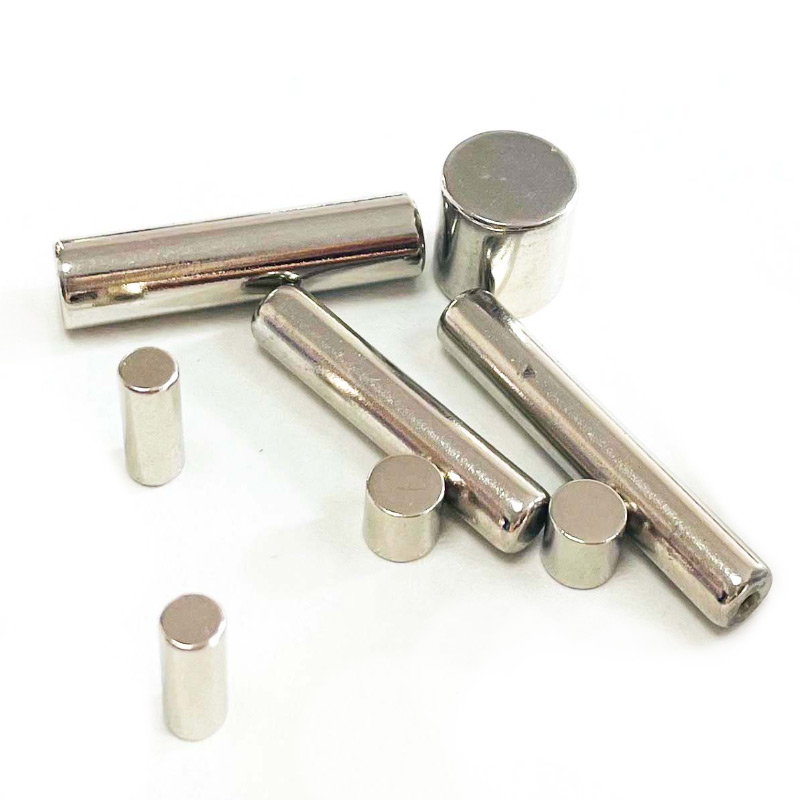
Neodymium cylinder magnets are exceptionally strong because they are made from a neodymium-iron-boron (NdFeB) alloy — the most powerful permanent magnet material ever discovered. Their cylindrical geometry concentrates the magnetic flux along a single axis, and their high coercivity ensures the field remains stable even under mechanical stress or opposing magnetic forces. In short, both the material and the shape work together to produce magnetic strength far beyond what traditional ferrite or alnico magnets can achieve.
The foundation of a neodymium cylinder magnet's power lies in its atomic structure. NdFeB magnets are built around a tetragonal crystal lattice (Nd₂Fe₁₄B), in which iron atoms provide the primary magnetic moment while neodymium atoms create a massive magnetocrystalline anisotropy — meaning the electrons strongly prefer to align along one specific axis.
This anisotropy is the key differentiator. It makes it energetically very difficult to rotate the magnetic domains away from their preferred direction, which translates directly into high coercivity (resistance to demagnetization). The boron atoms stabilize the crystal lattice, preventing structural collapse under thermal or mechanical stress.
By comparison, common ferrite magnets have far lower anisotropy, which is why a small neodymium cylinder can easily outpull a ferrite block many times its size.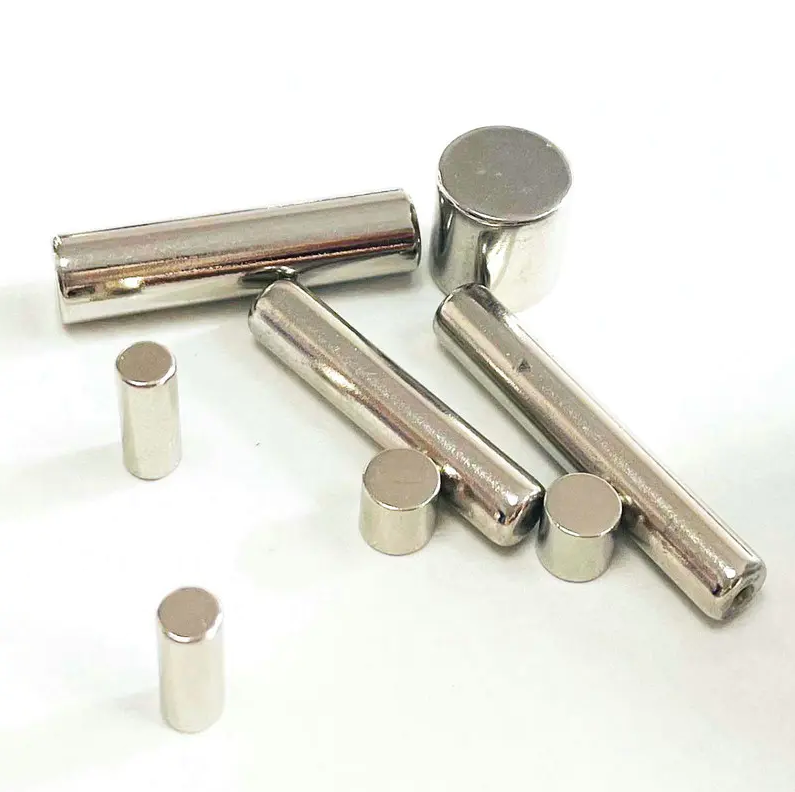
Three measurable properties define a magnet's performance. Neodymium cylinder magnets lead in all three:
| Property | Neodymium (NdFeB) | Ferrite | Alnico |
|---|---|---|---|
| Remanence (Br) | 1.0 – 1.4 T | 0.2 – 0.45 T | 0.6 – 1.35 T |
| Coercivity (Hc) | 750 – 2,000 kA/m | 150 – 400 kA/m | 40 – 160 kA/m |
| Energy Product (BHmax) | 200 – 440 kJ/m³ | 10 – 40 kJ/m³ | 10 – 85 kJ/m³ |
The energy product (BHmax) is the most telling figure — it measures how much usable magnetic energy is stored per unit volume. Grade N52 neodymium magnets reach up to 440 kJ/m³, more than ten times that of a typical ferrite magnet. This is why neodymium cylinders can generate strong holding forces from a very compact body.
Shape is not a passive factor — it actively determines how magnetic flux is directed and concentrated. The cylindrical form offers specific geometric advantages:
When a cylinder magnet is magnetized axially (through its flat faces), all the flux exits from one circular face and returns through the other. This creates a tightly focused, high-density field at each pole. A cylinder with a diameter-to-length ratio close to 1:1 tends to maximize field strength at the poles for a given volume of material.
All magnets generate an internal demagnetizing field that works against their own magnetization. Elongated cylinders (where height significantly exceeds diameter) have a lower demagnetization factor along the axial direction. This means more of the magnet's inherent magnetic energy contributes to the external field rather than being wasted fighting internal opposition.
Cylinder magnets can also be magnetized radially, with the north pole on the curved outer surface and the south pole at the center (or vice versa). This configuration is widely used in electric motors and sensors where a rotating, uniform radial field is required. The circular symmetry of the cylinder is uniquely suited to this application.
The strength of a finished neodymium cylinder magnet is not automatic — it depends on a tightly controlled manufacturing process:
Each step affects the final grade. The difference between an N35 and an N52 magnet comes largely from powder purity, alignment precision, and sintering conditions — not from fundamentally different materials.
Neodymium magnets are sold in standardized grades. The number following "N" refers directly to the maximum energy product in megagauss-oersteds (MGOe):
Additional letter suffixes denote temperature resistance: plain "N" grades are rated to 80°C, while "M," "H," "SH," "UH," and "EH" grades tolerate up to 200°C. Higher temperature resistance is achieved by adding dysprosium or terbium, which increases coercivity at the cost of a slightly reduced energy product.
Abstract magnetic properties become meaningful when translated into real holding forces. The following examples illustrate what neodymium cylinder magnets can do at typical commercial sizes:
| Diameter × Height | Grade | Approx. Pull Force | Typical Application |
|---|---|---|---|
| 5 mm × 5 mm | N42 | ~1.4 kg | Sensor mounting, hobby crafts |
| 10 mm × 10 mm | N42 | ~7.5 kg | Fixtures, cabinet closures |
| 20 mm × 20 mm | N42 | ~30 kg | Industrial clamping, MRI components |
| 50 mm × 50 mm | N52 | ~200 kg | Magnetic lifting systems |
Note that these pull forces are measured under ideal conditions (flat, clean steel surface, full contact). Even a small air gap dramatically reduces the effective force — a 1 mm gap can reduce pull force by 50% or more depending on the magnet's size and grade.
Despite their exceptional performance, neodymium cylinder magnets have well-defined physical limits that engineers and users must account for:
Standard N-grade neodymium magnets begin losing magnetization reversibly above about 80°C. If heated past the Curie temperature of 310–340°C, they are permanently demagnetized. In contrast, alnico magnets remain functional up to 550°C. For high-temperature applications, higher-grade variants with dysprosium additions are required.
Sintered NdFeB has a ceramic-like microstructure. Cylinder magnets can crack or shatter if they snap together suddenly or are dropped onto hard surfaces. This is not a weakness in their magnetic properties — it is a mechanical limitation of the sintering process that must be managed with appropriate handling and mounting.
Uncoated NdFeB oxidizes rapidly in humid environments, forming a powdery surface that degrades both structural integrity and magnetic performance. The nickel or zinc coatings applied during manufacturing are functional, not merely cosmetic — damage to the coating can initiate corrosion that progressively weakens the magnet.
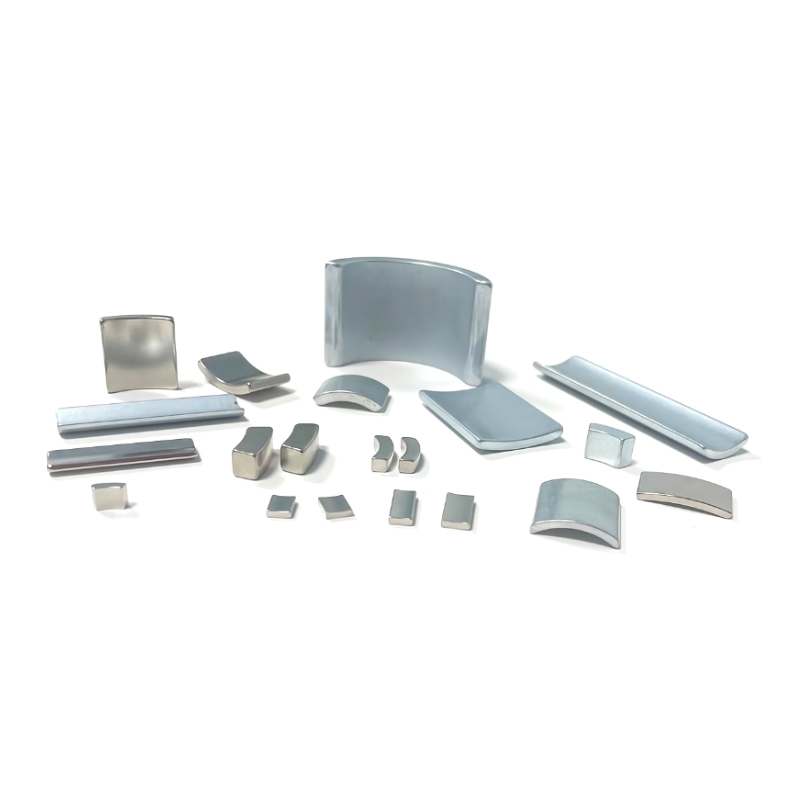
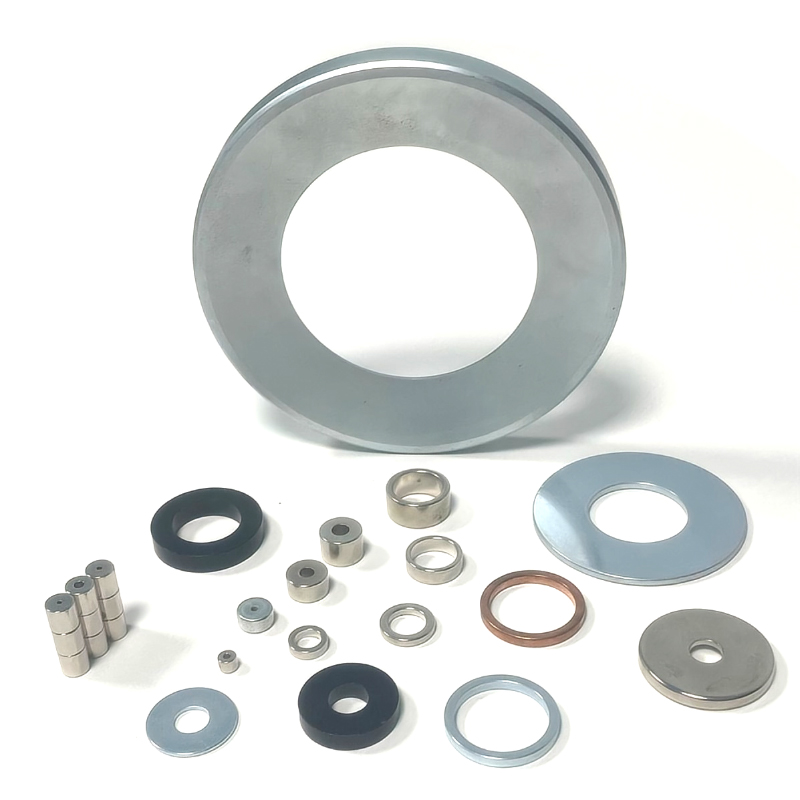
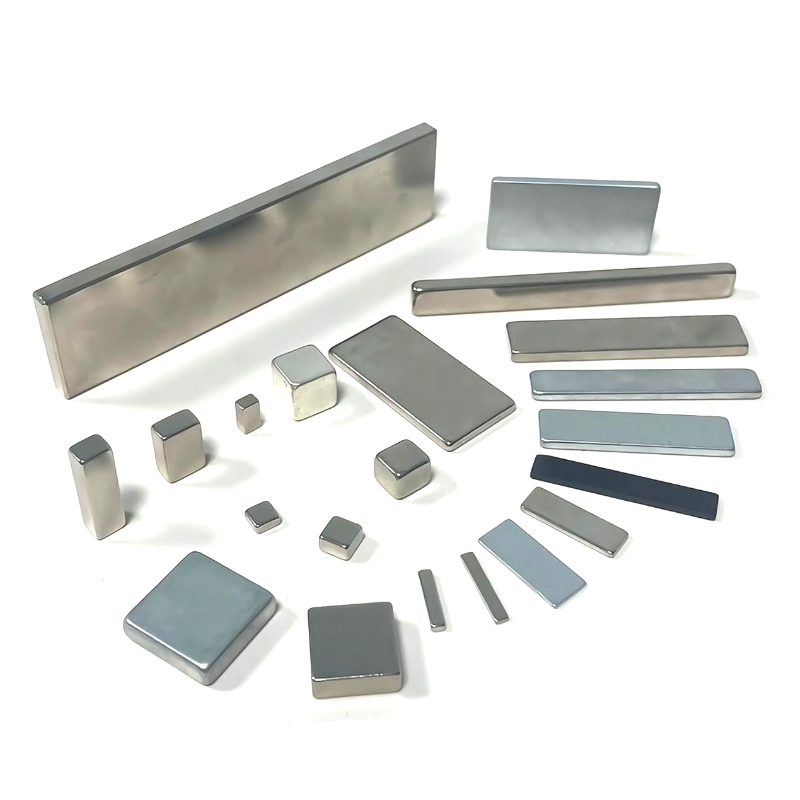
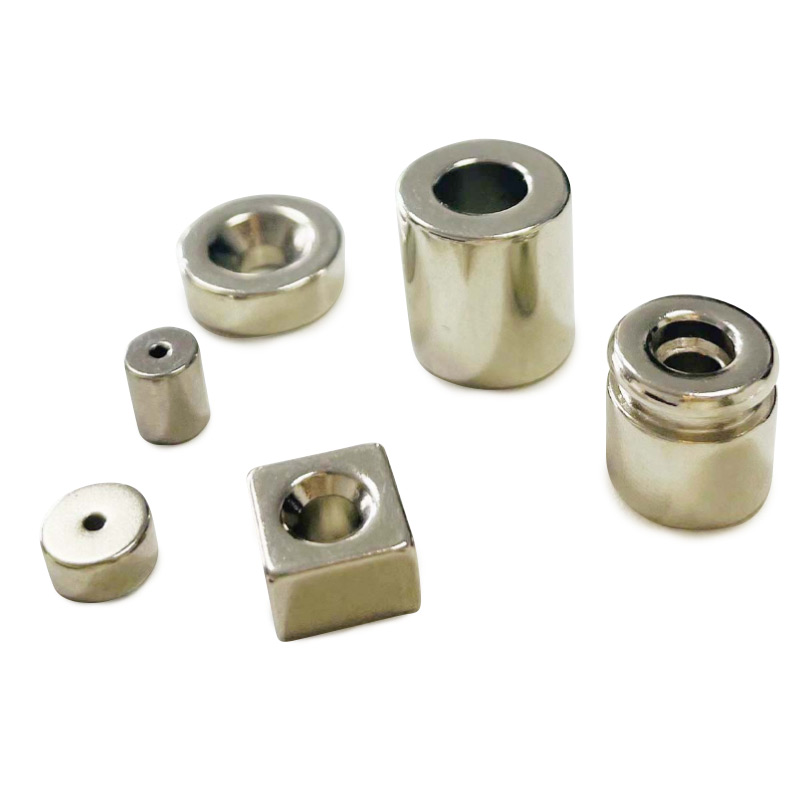
Compared to disc magnets (very low height-to-diameter ratio), block magnets, or ring magnets, cylinders offer a practical combination of advantages:
Disc magnets, while similar, have a higher demagnetization factor due to their large face area relative to their thickness, which makes them somewhat less efficient per unit volume of material. For applications where both pull force and compact length matter, the cylinder geometry is often the optimal choice.
Having a blueprint in mind, working hard and forging ahead
 No.107 Yunshan Industry Park, Sanqishi Town, Yuyao, Ningbo, Zhejiang 315412, China
 +86-18858010843
 sales@tujinmagnet.com
Copyright ? Ningbo Tujin Magnetic Industry Co., Ltd. All Rights Reserved. Custom Rare Earth Magnets Factory